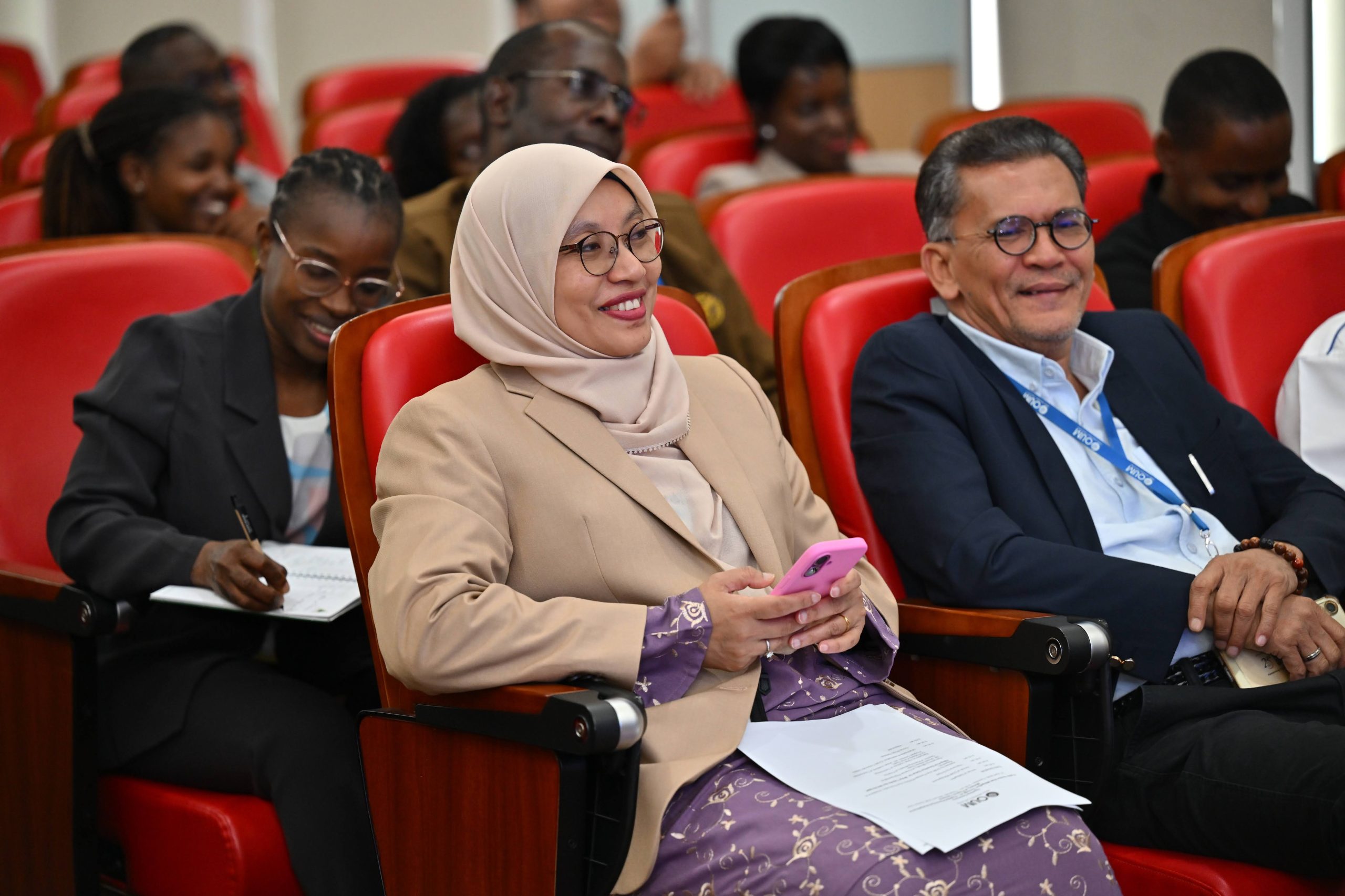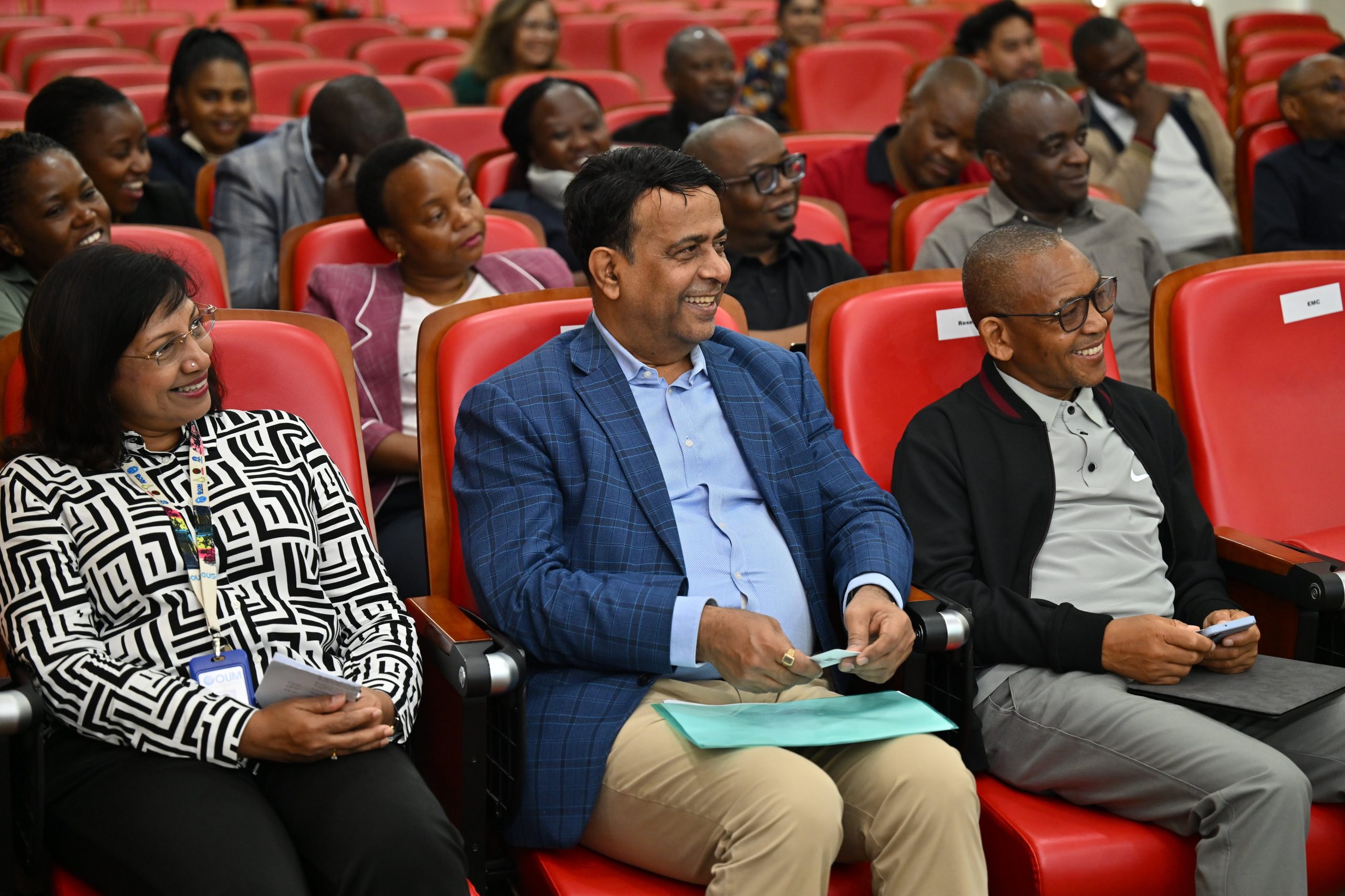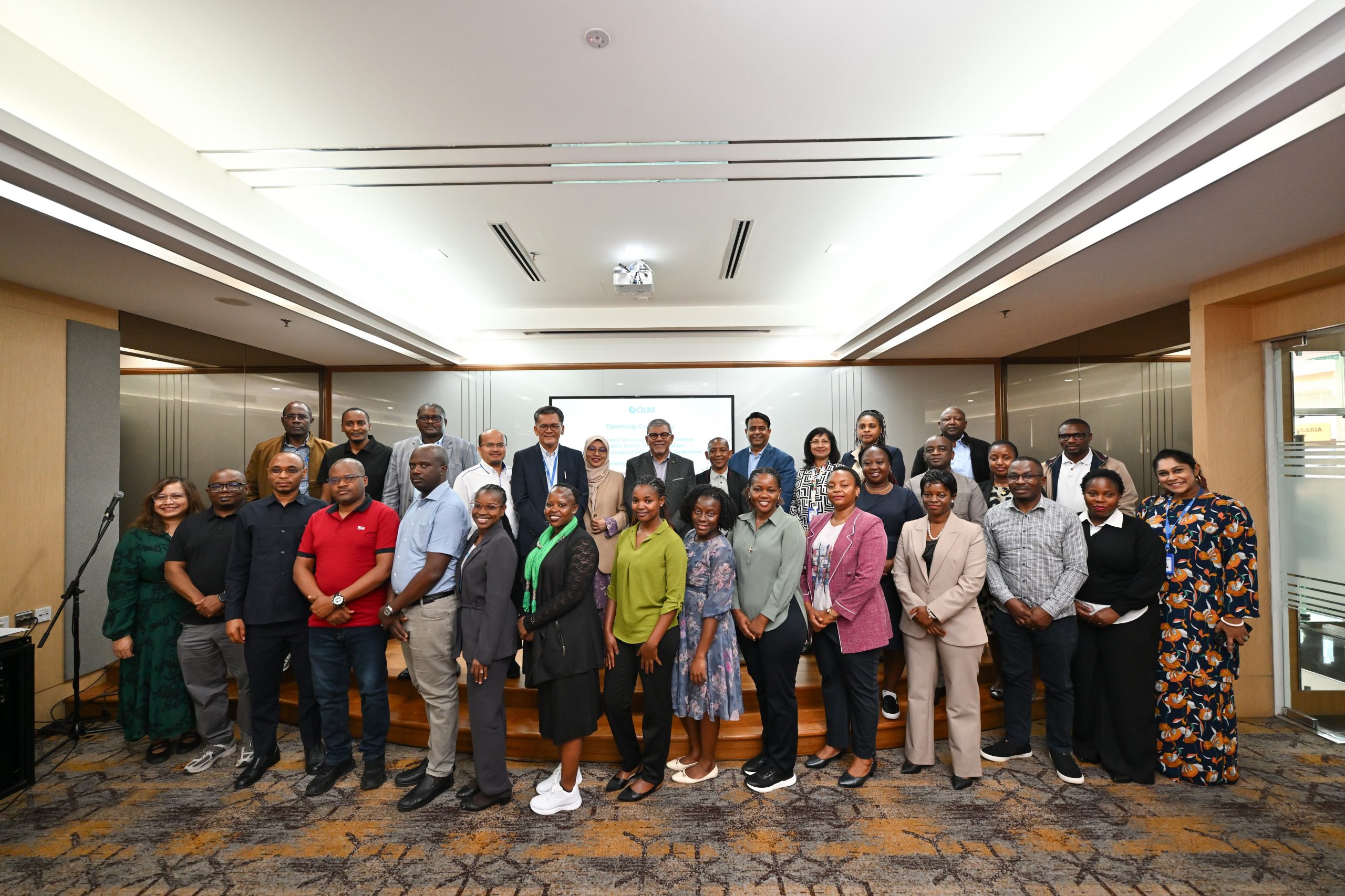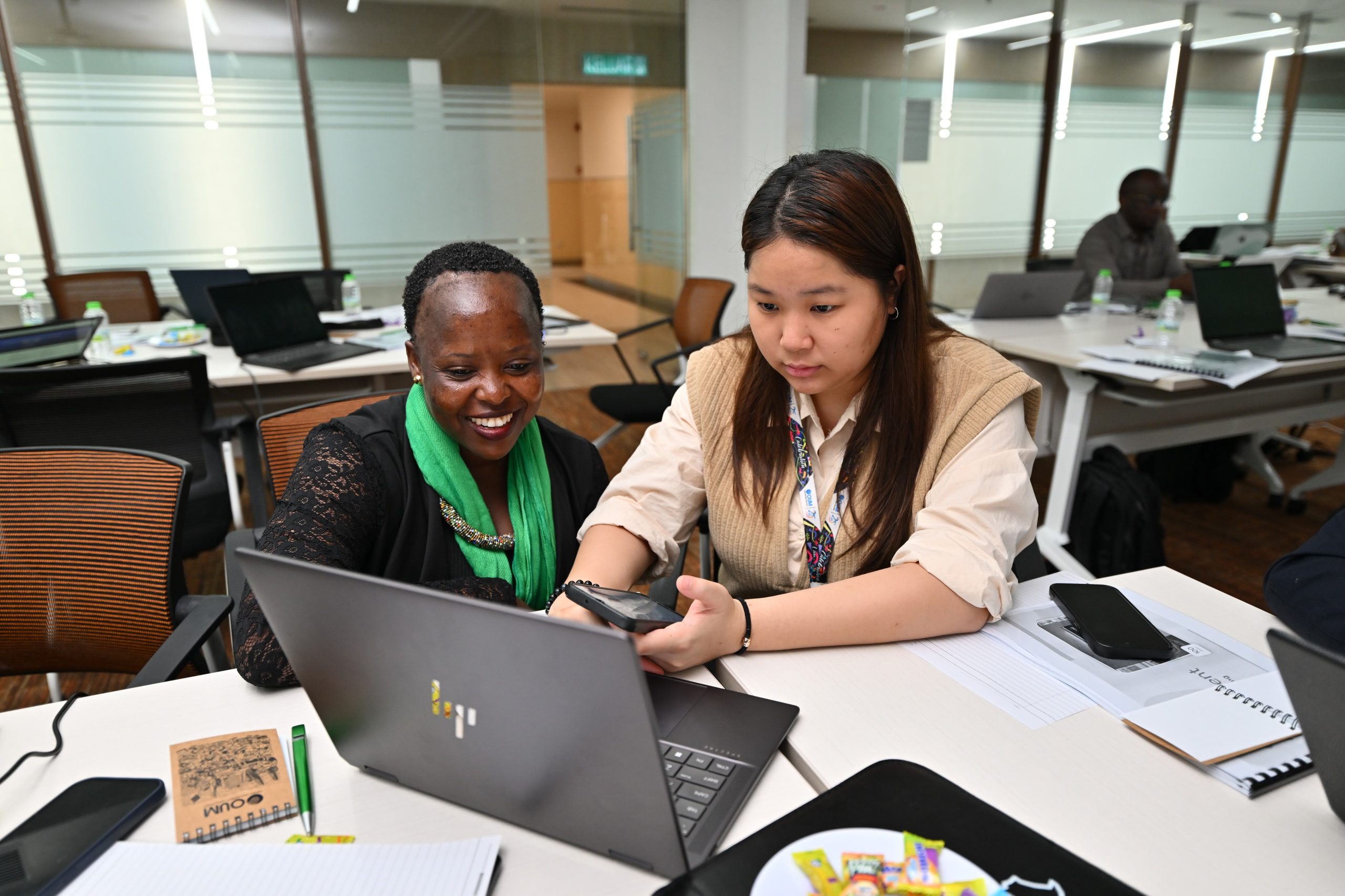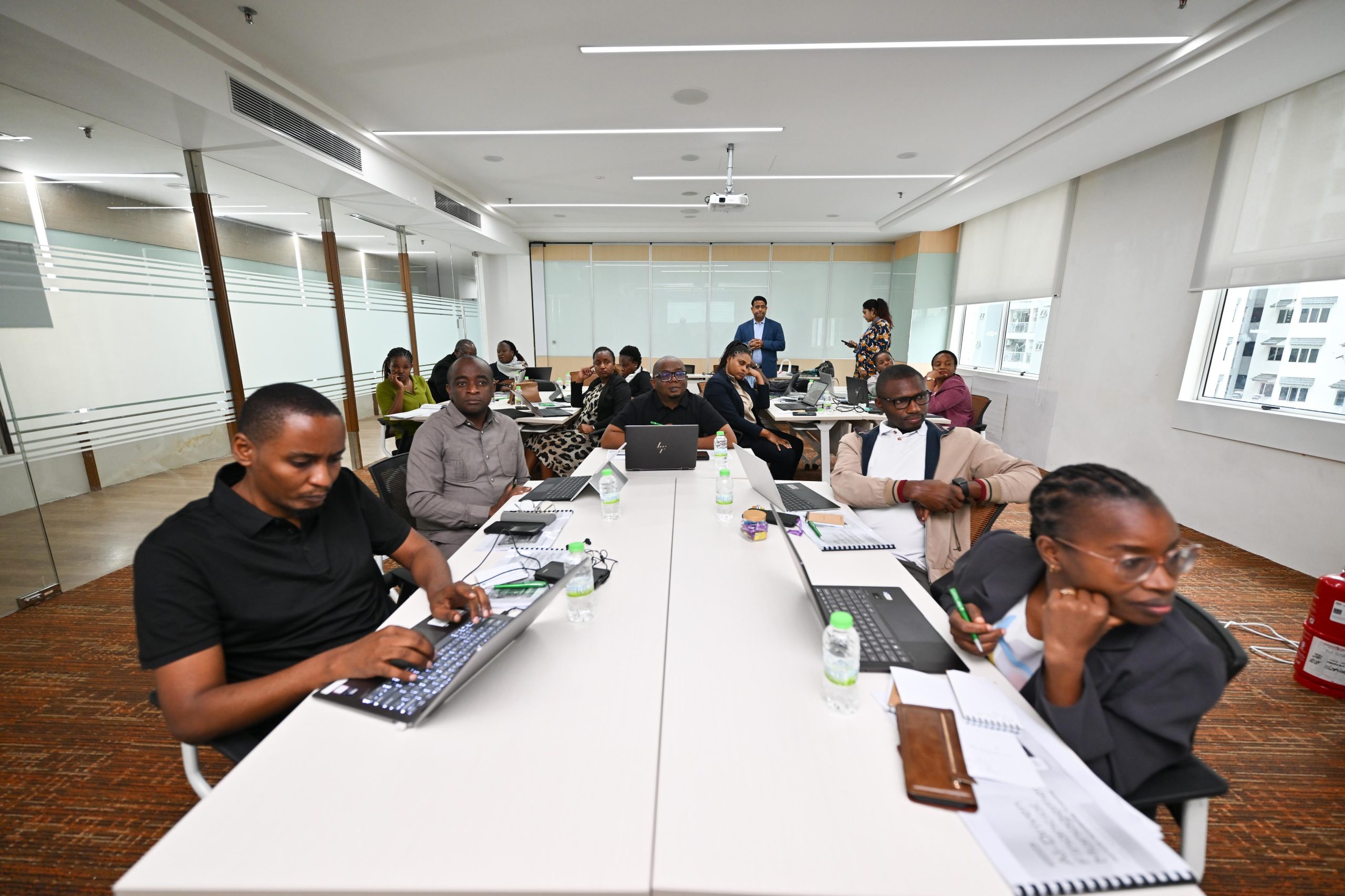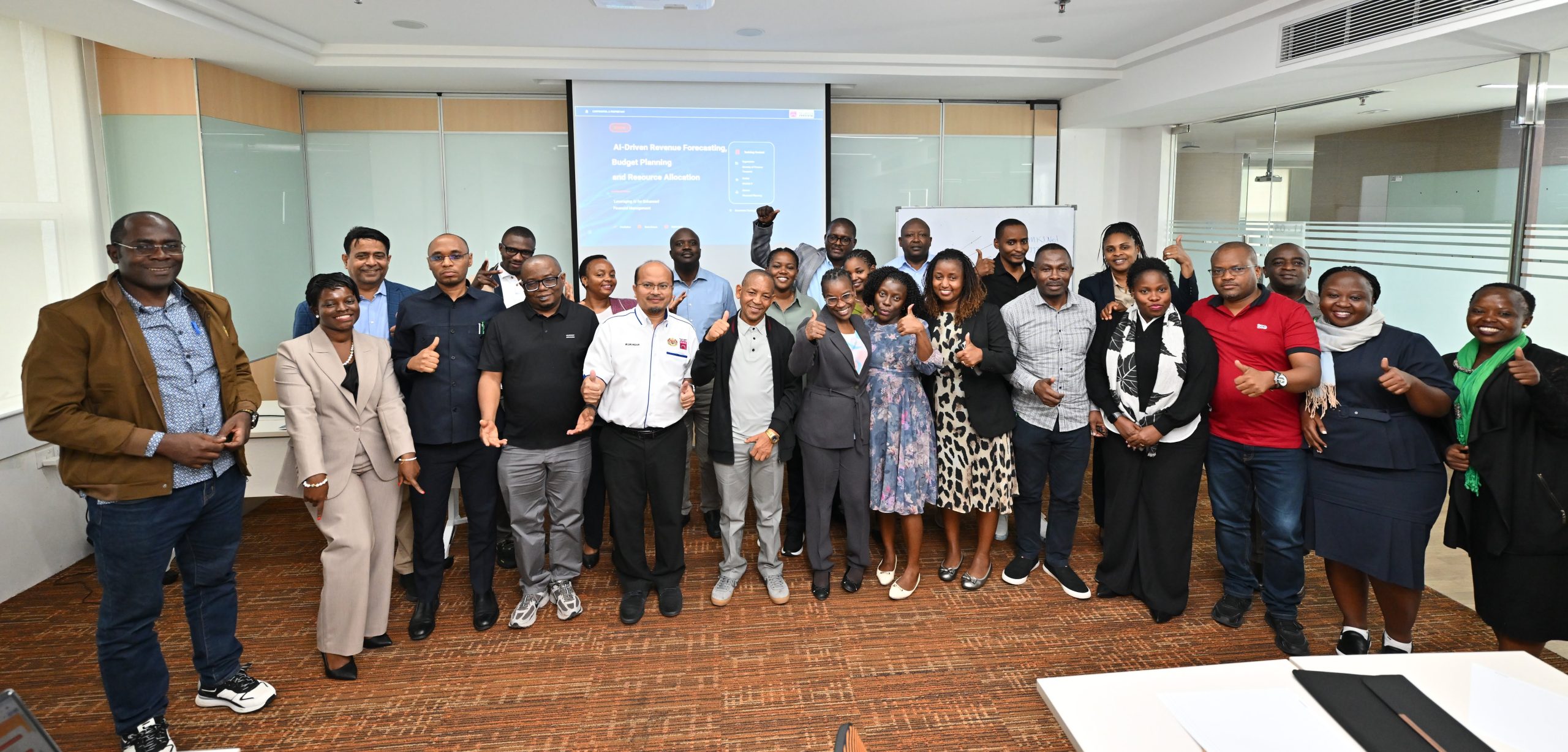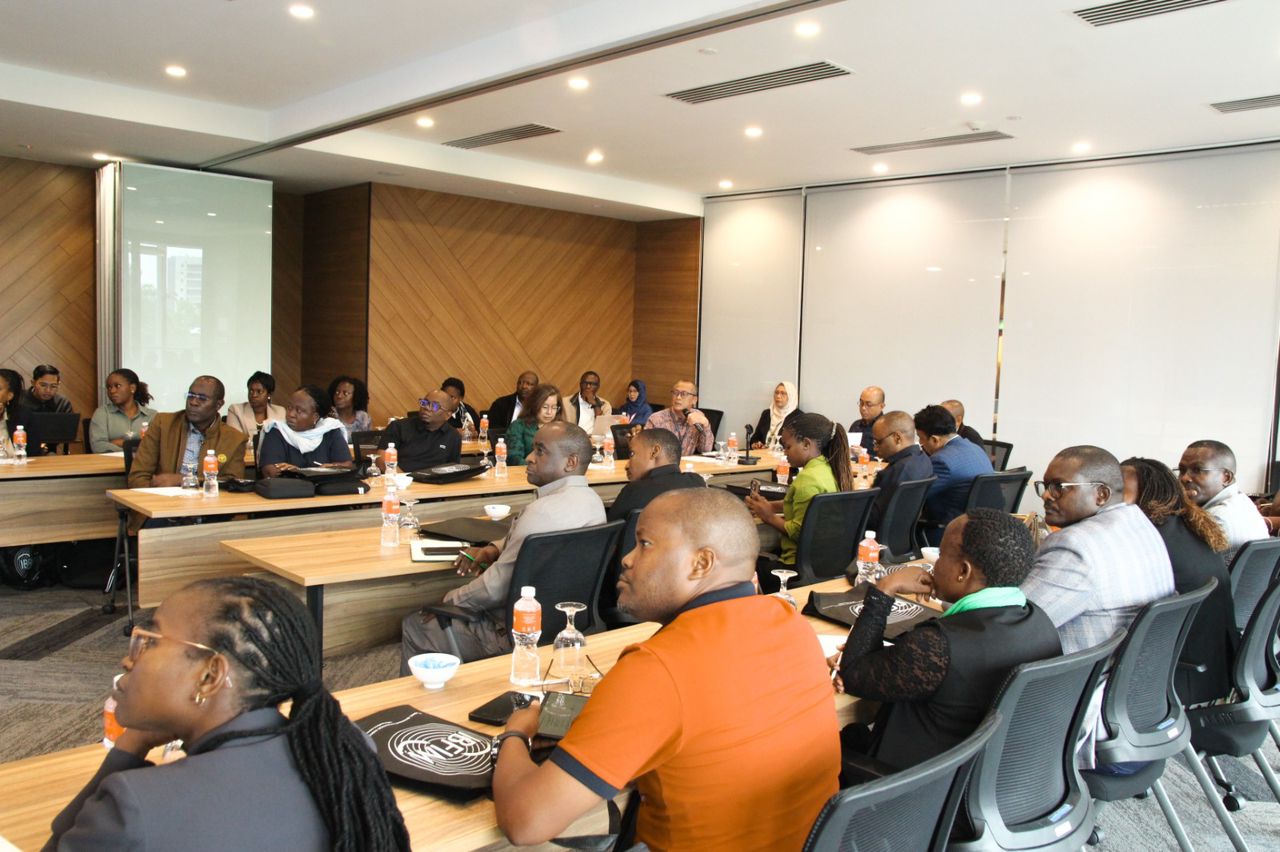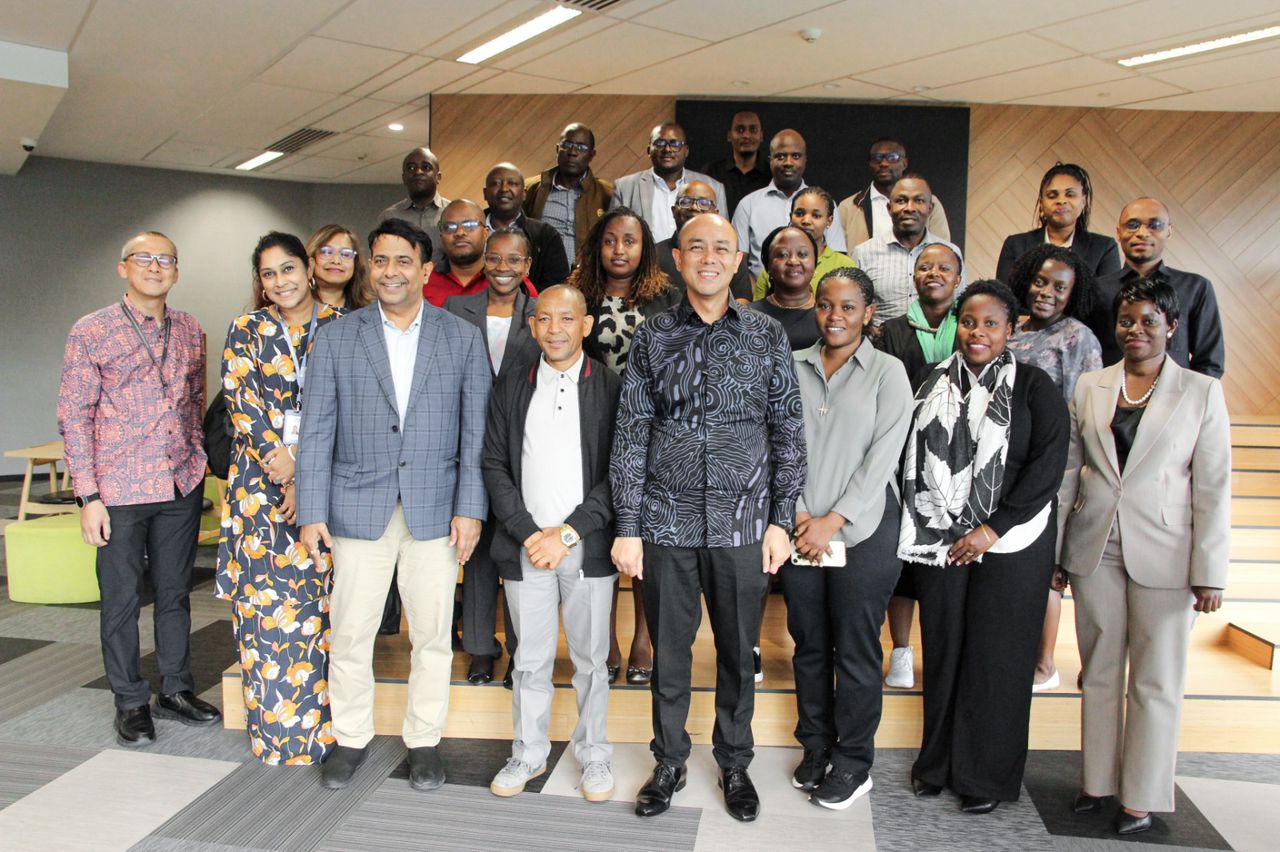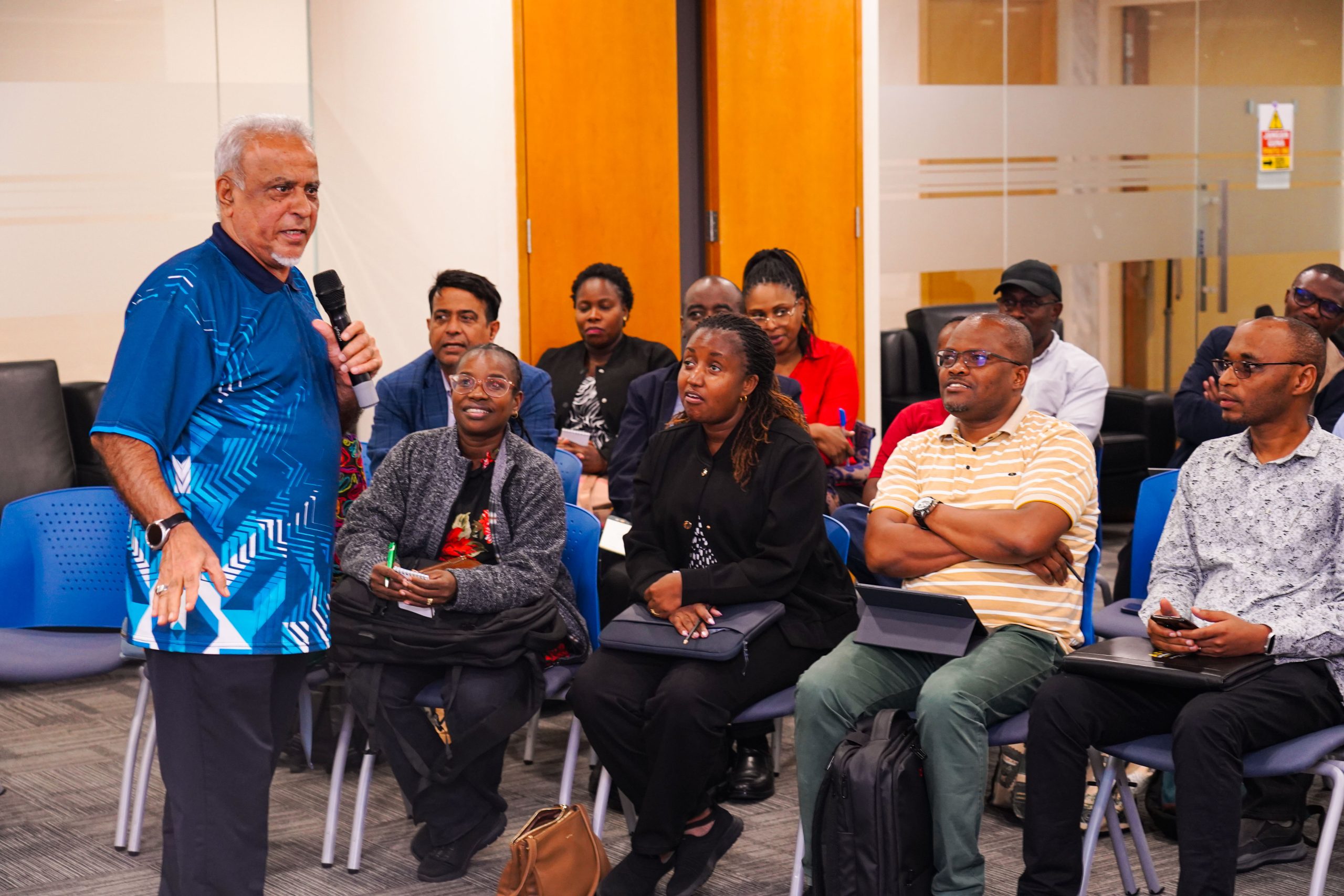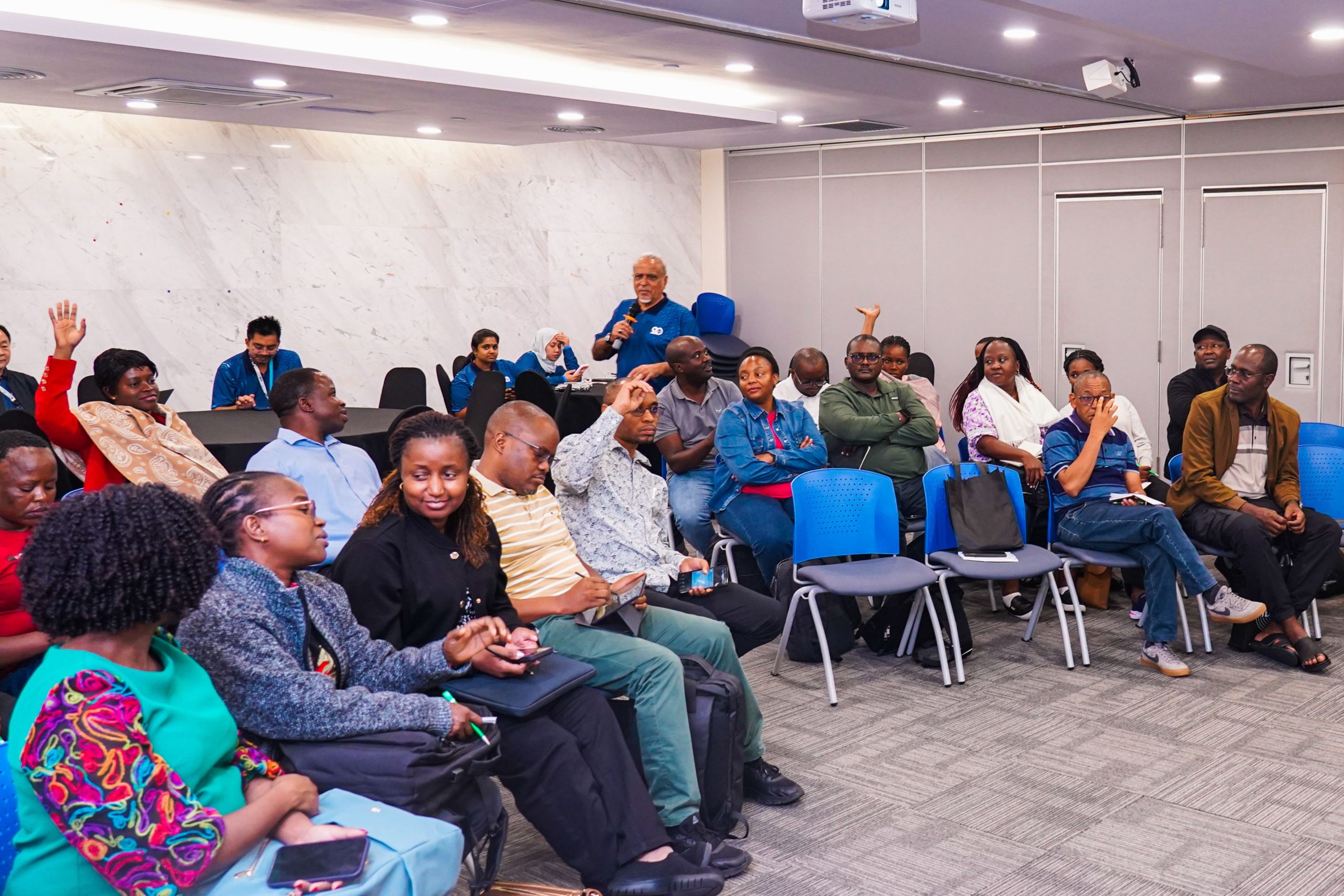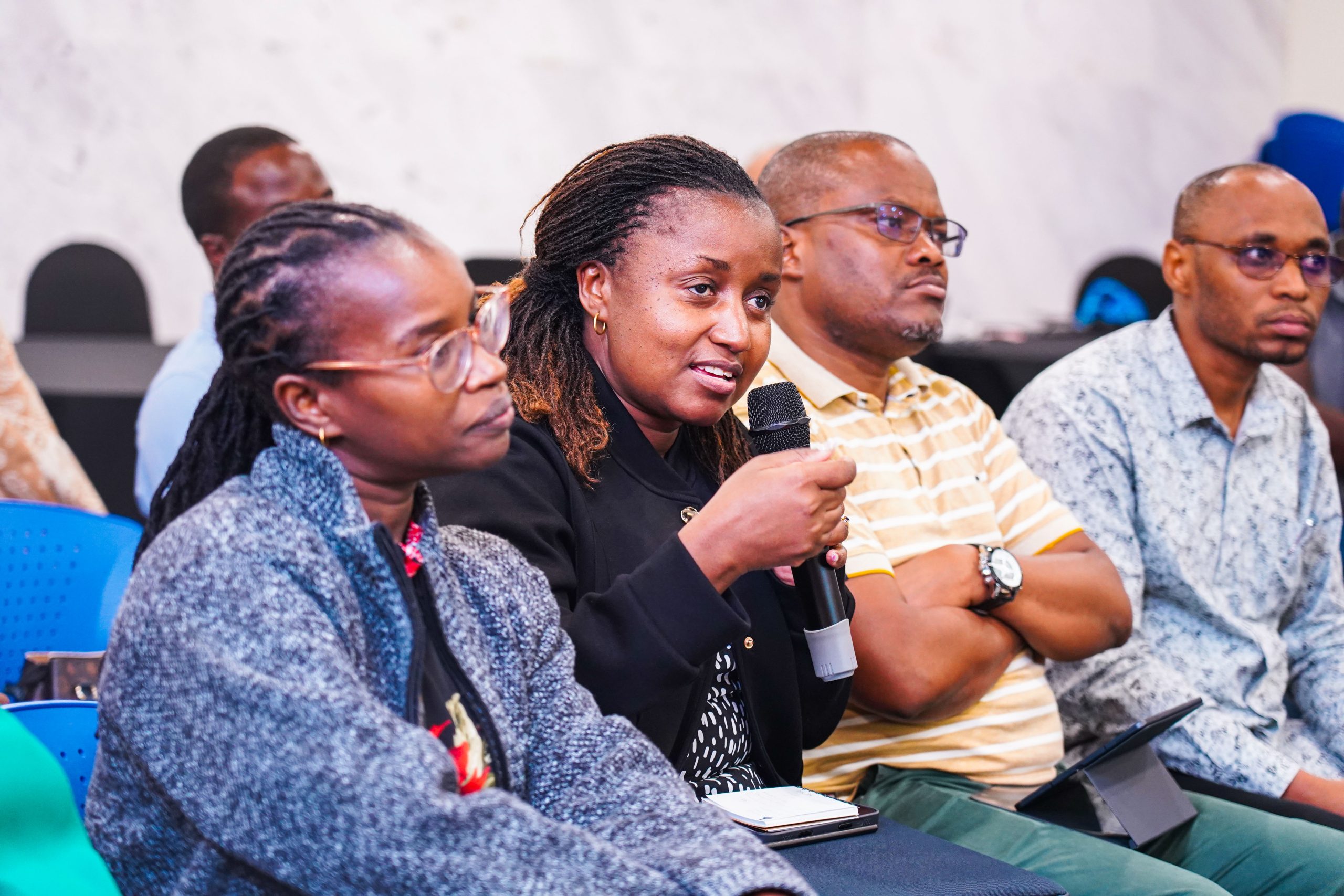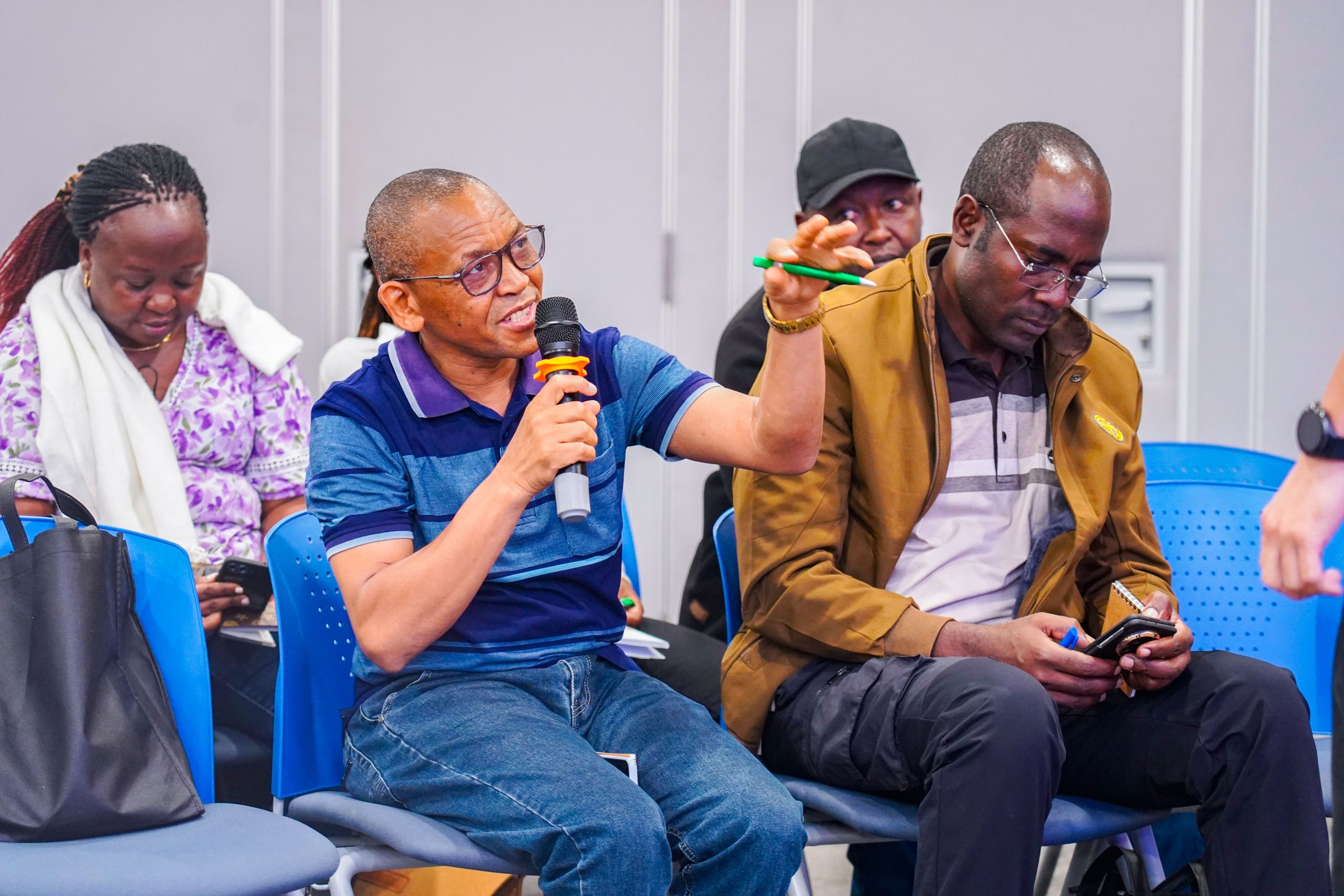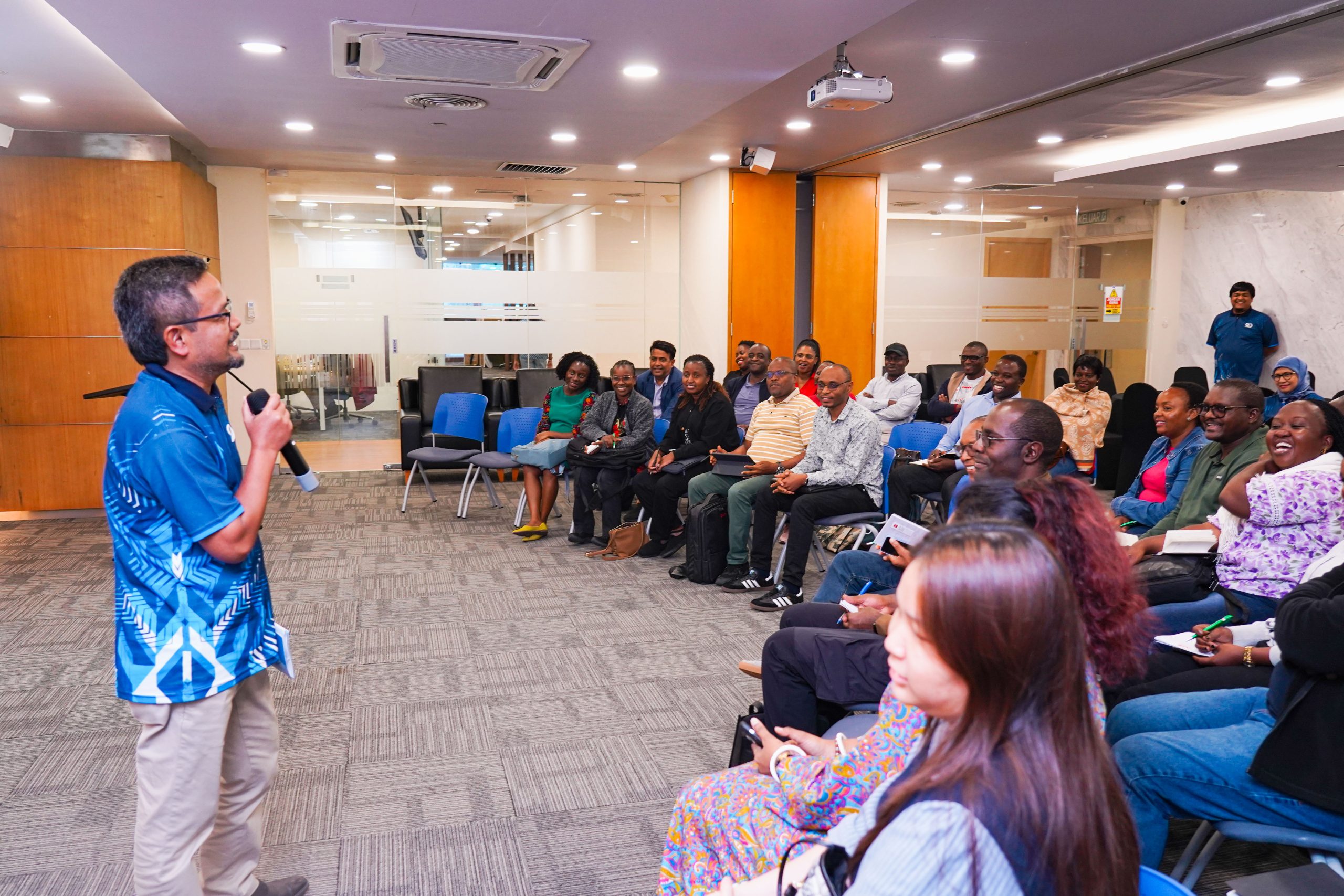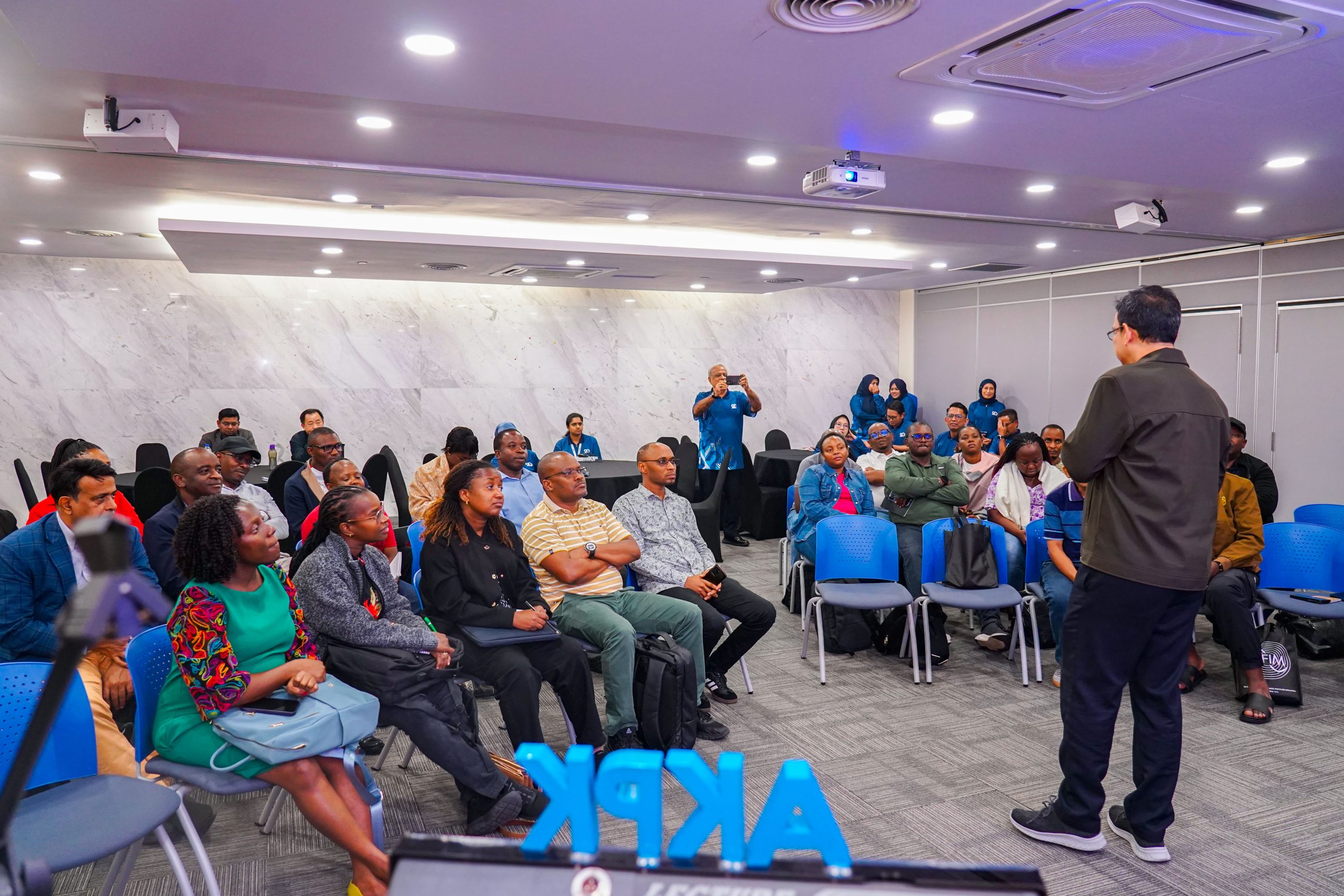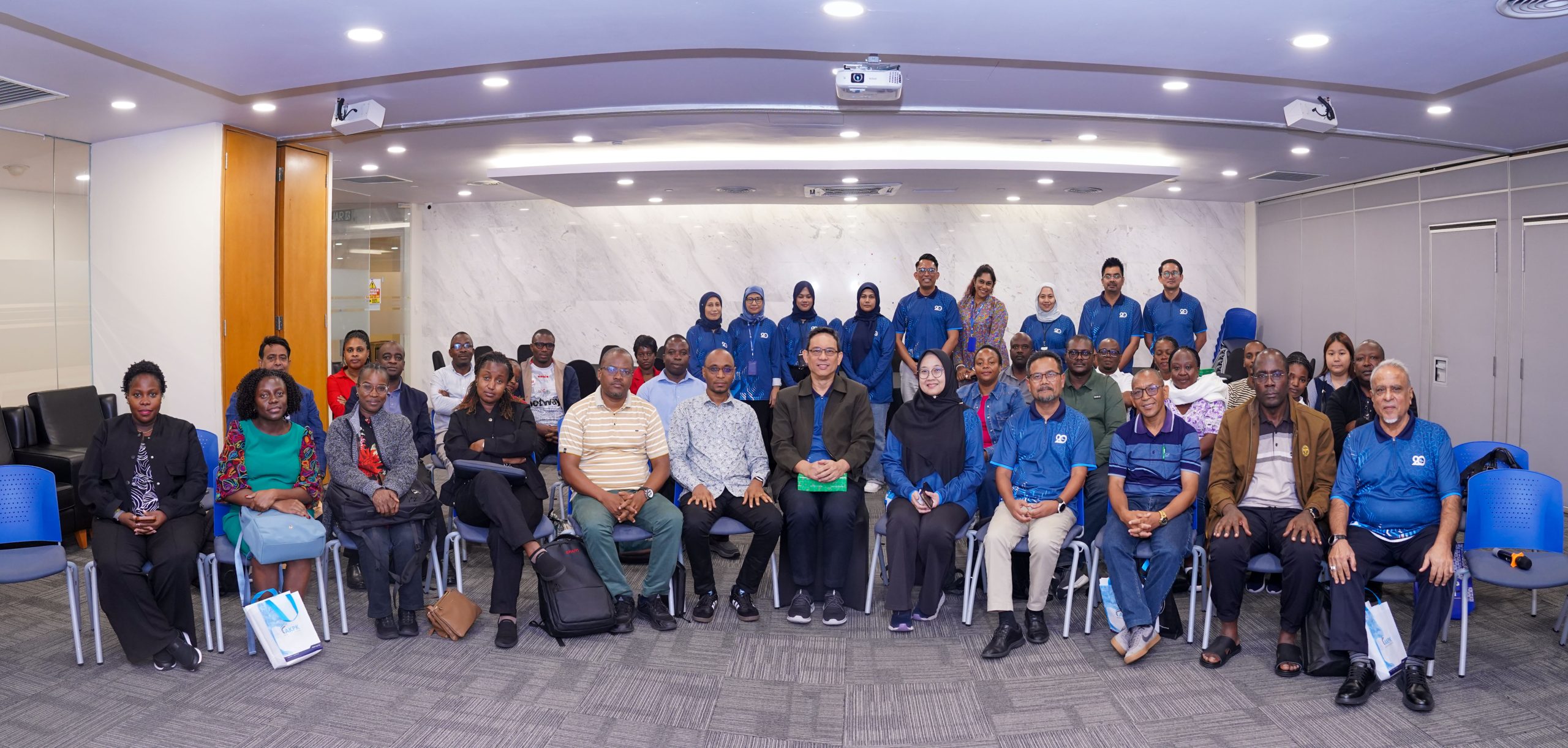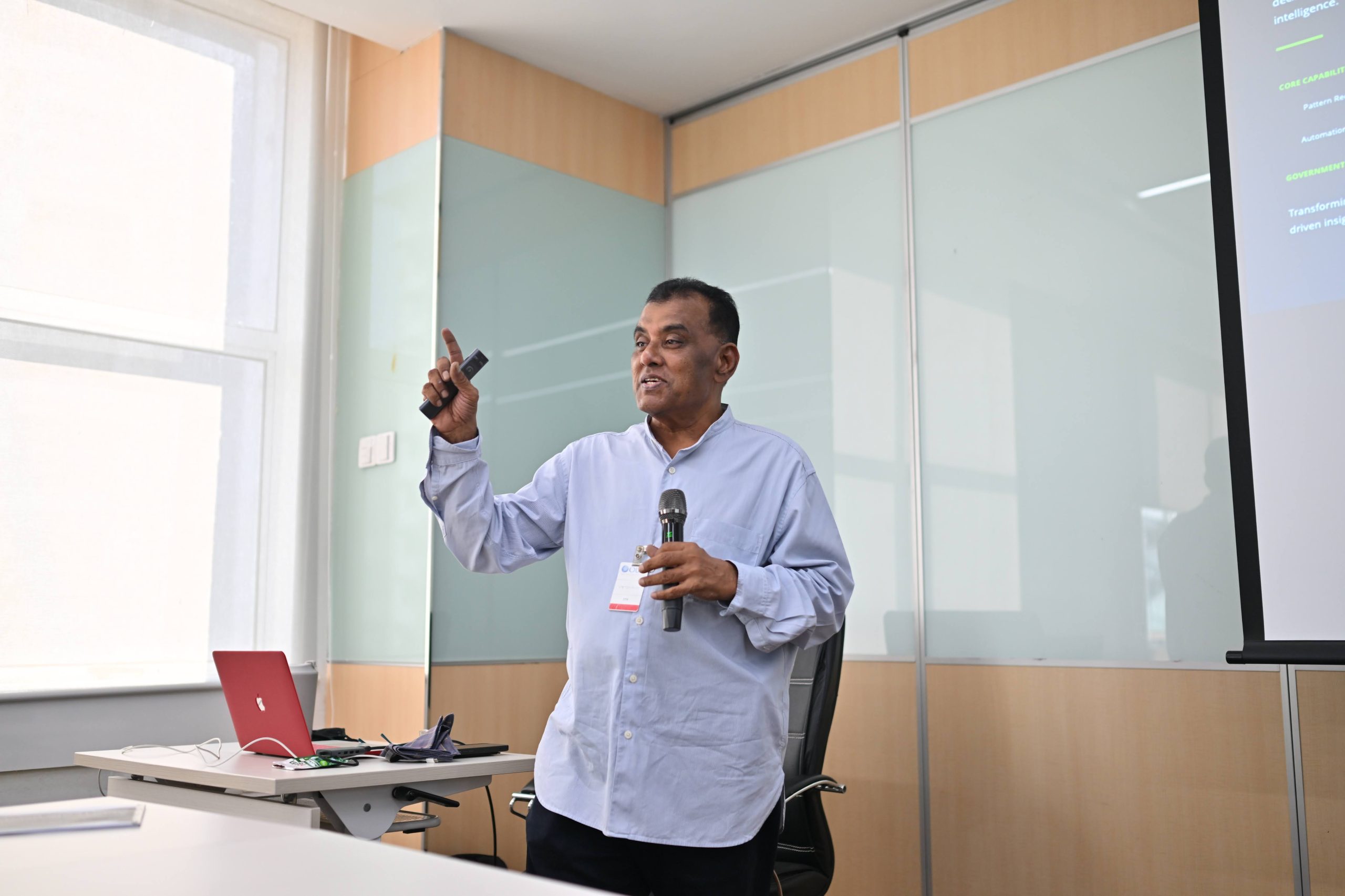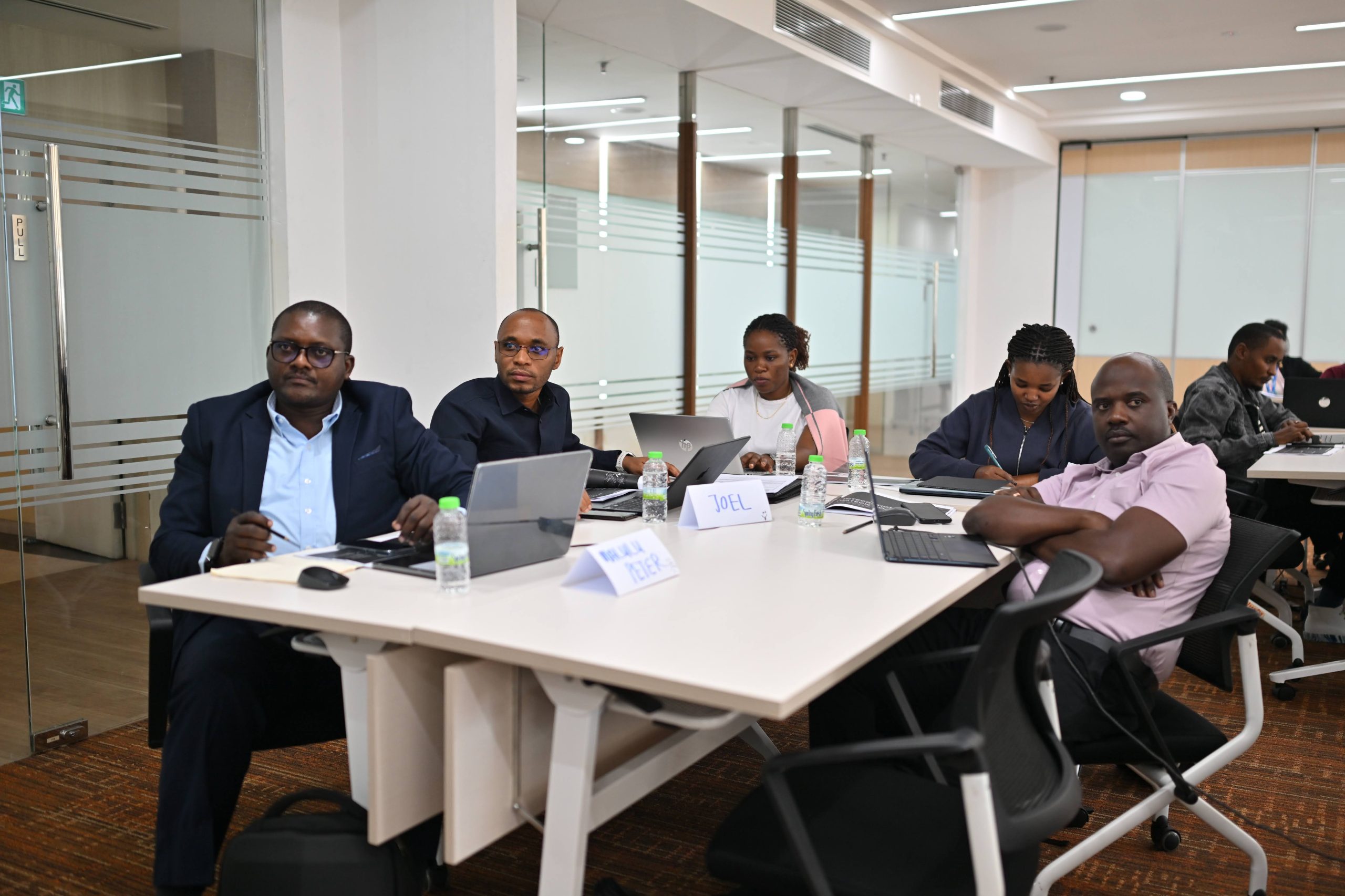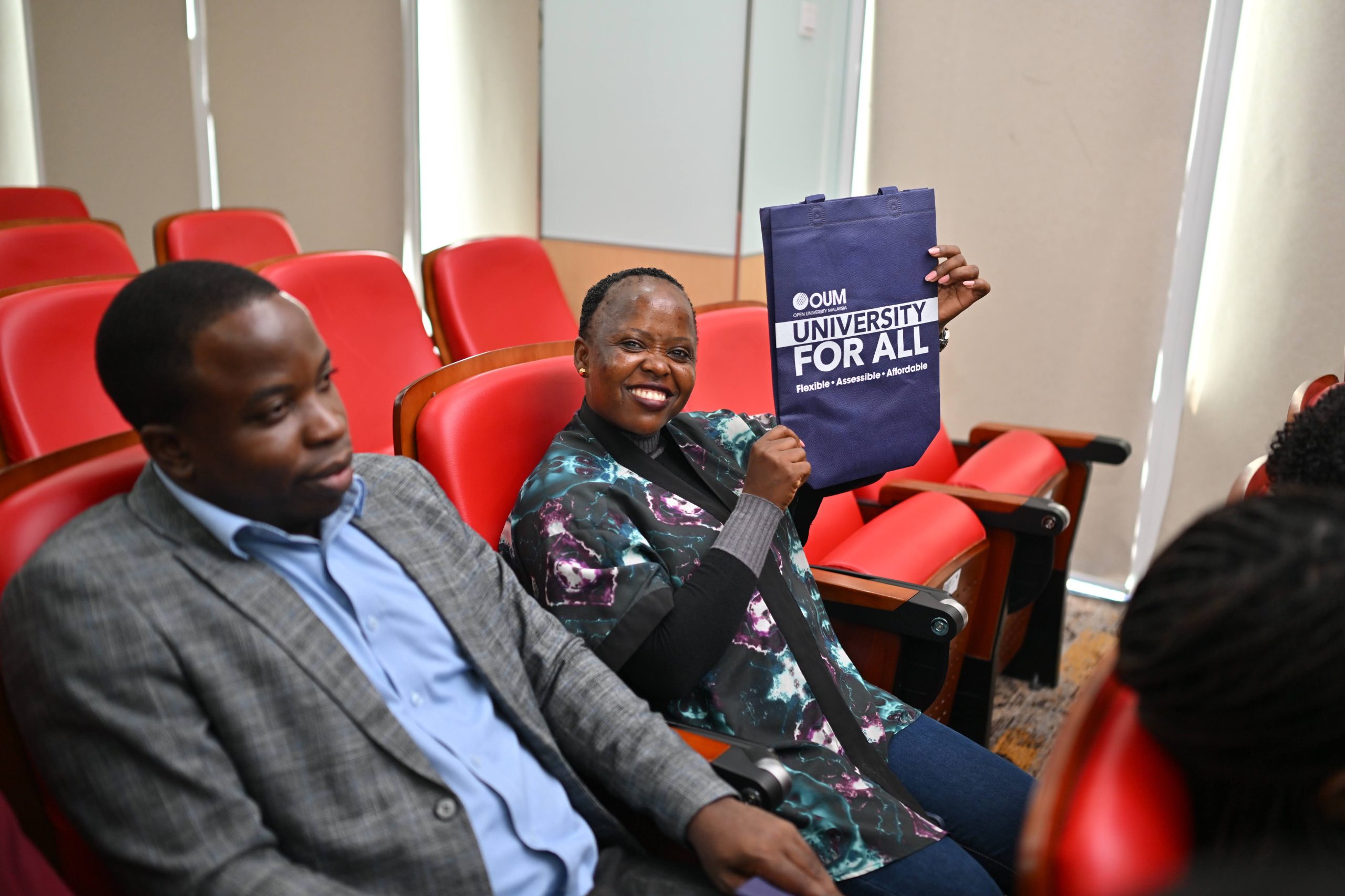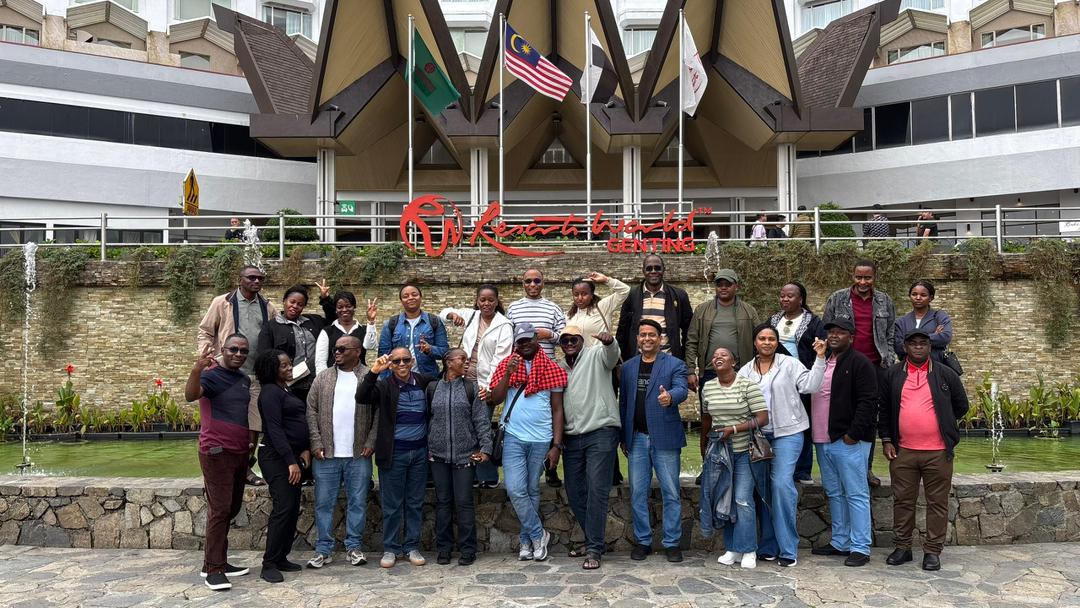




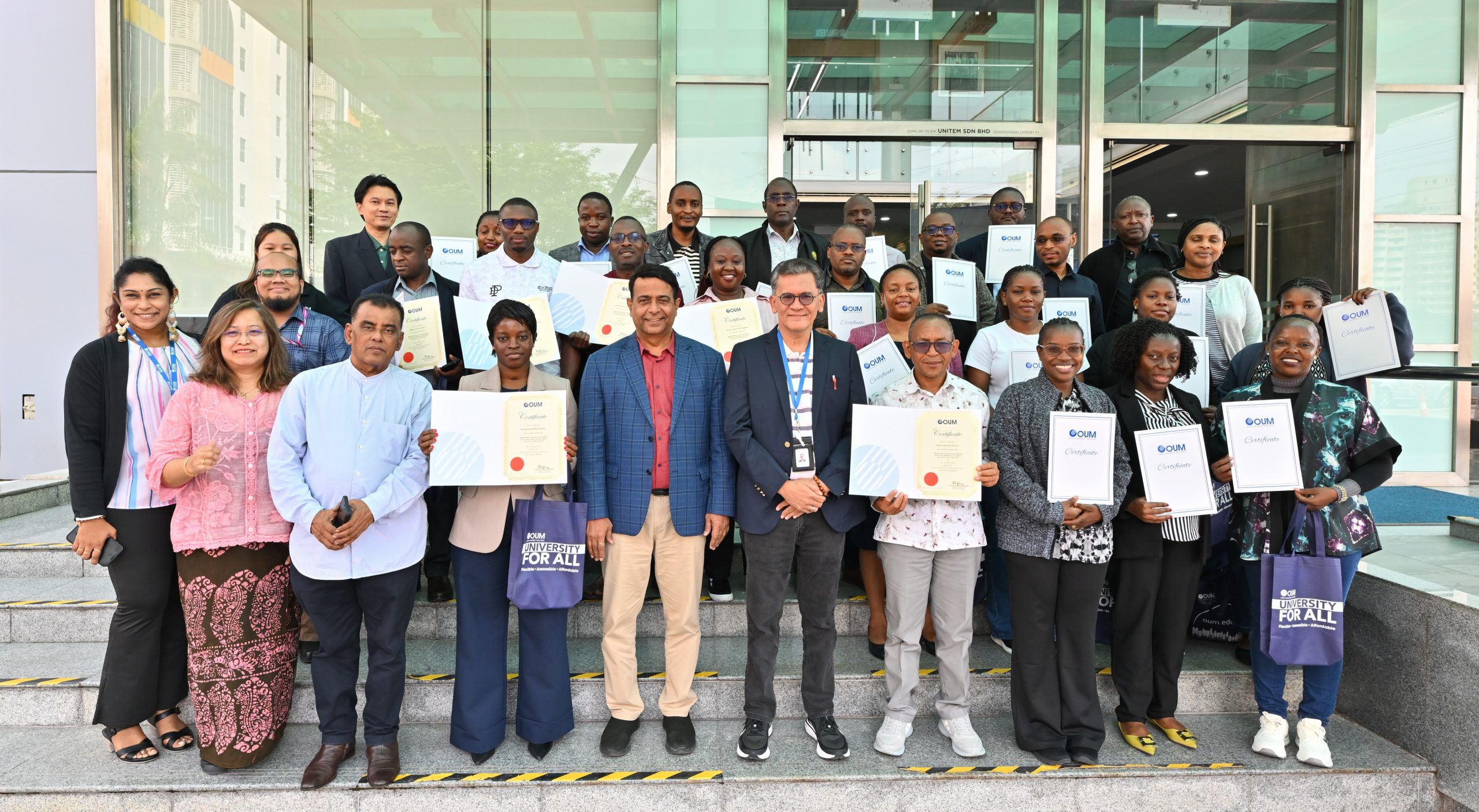
A delegation of 24 officials from the Ministry of Finance in Tanzania recently an intensive 5-day Professional Development Programme. It focused on AI-enabled budgeting, planning, and public sector risk mitigation. Held from 20 to 24 April at Menara OUM in Kelana Jaya, Selangor, the training marked the 9th batch under a 4-year collaboration between the two institutions.
The programme is part of a sustained effort to modernise fiscal planning systems through artificial intelligence. It is not as a one-off pilot, but a structured, recurring capacity-building initiative that continues to attract successive cohorts of Tanzanian officials.
People-first digital transformation
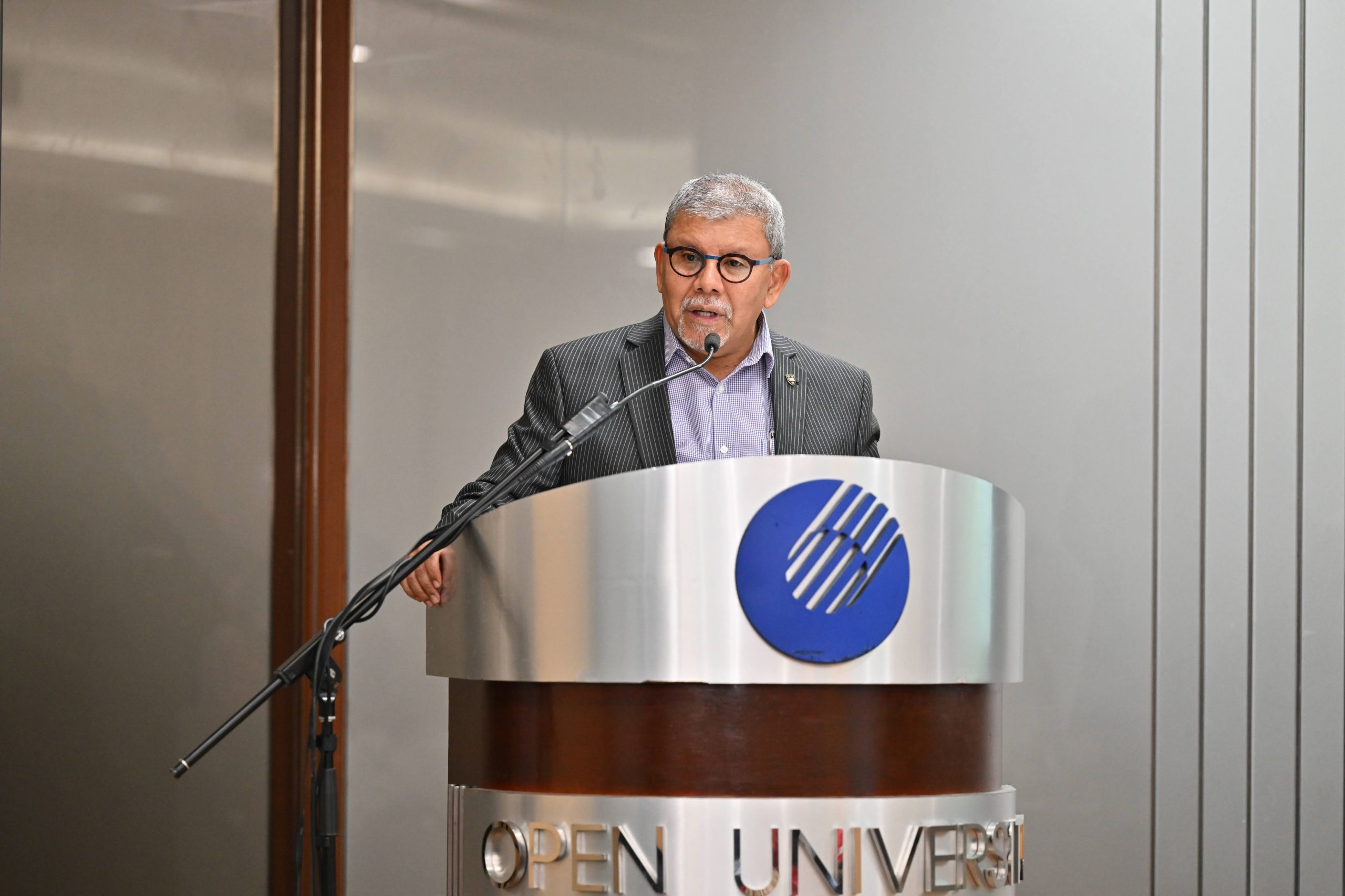
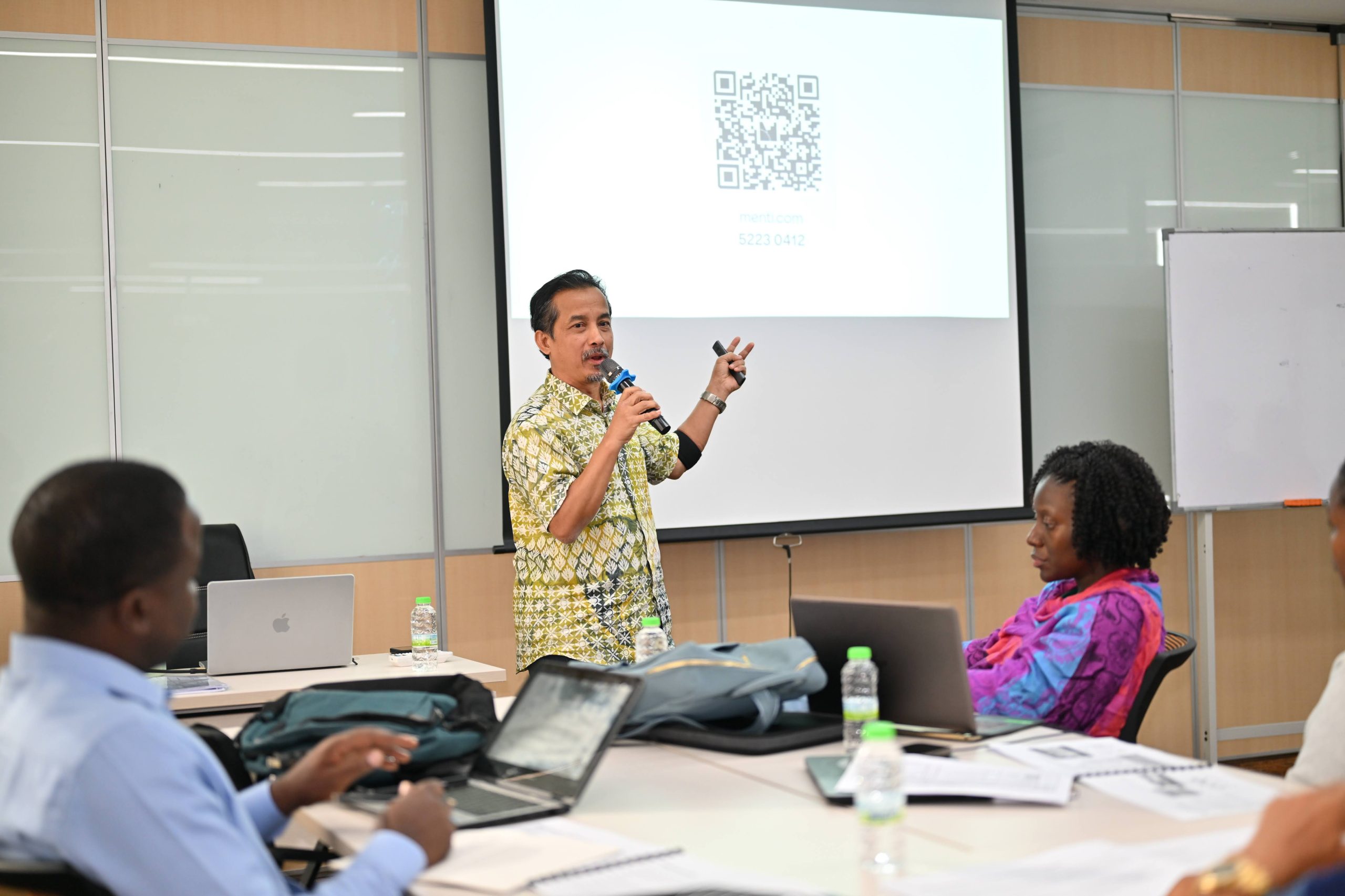
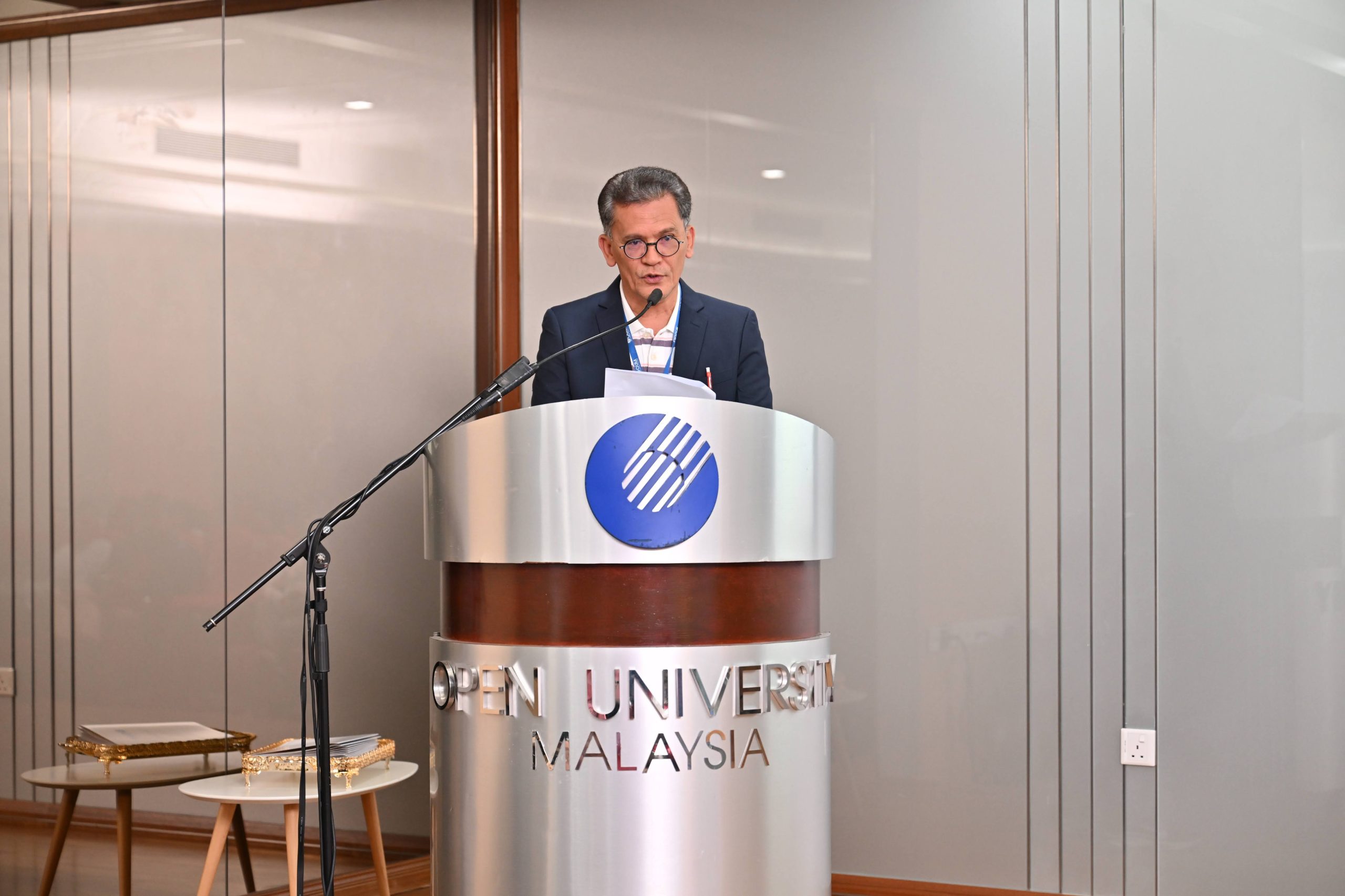
Opening the programme, OUM’s Vice President/Deputy Vice-Chancellor (Academic & Research), Prof Emeritus Datuk Dr Mohd Tajudin Md Ninggal, emphasised that while technology is reshaping public sector efficiency, the human dimension must remain central.
He encouraged participants to engage openly and critically with the tools introduced, and to consider how AI applications could be meaningfully adapted once they returned to their respective ministries.
A partnership built on preference and trust
The repeated selection of Malaysia, and specifically OUM, as a training destination reflects a deliberate institutional preference from the organisers.
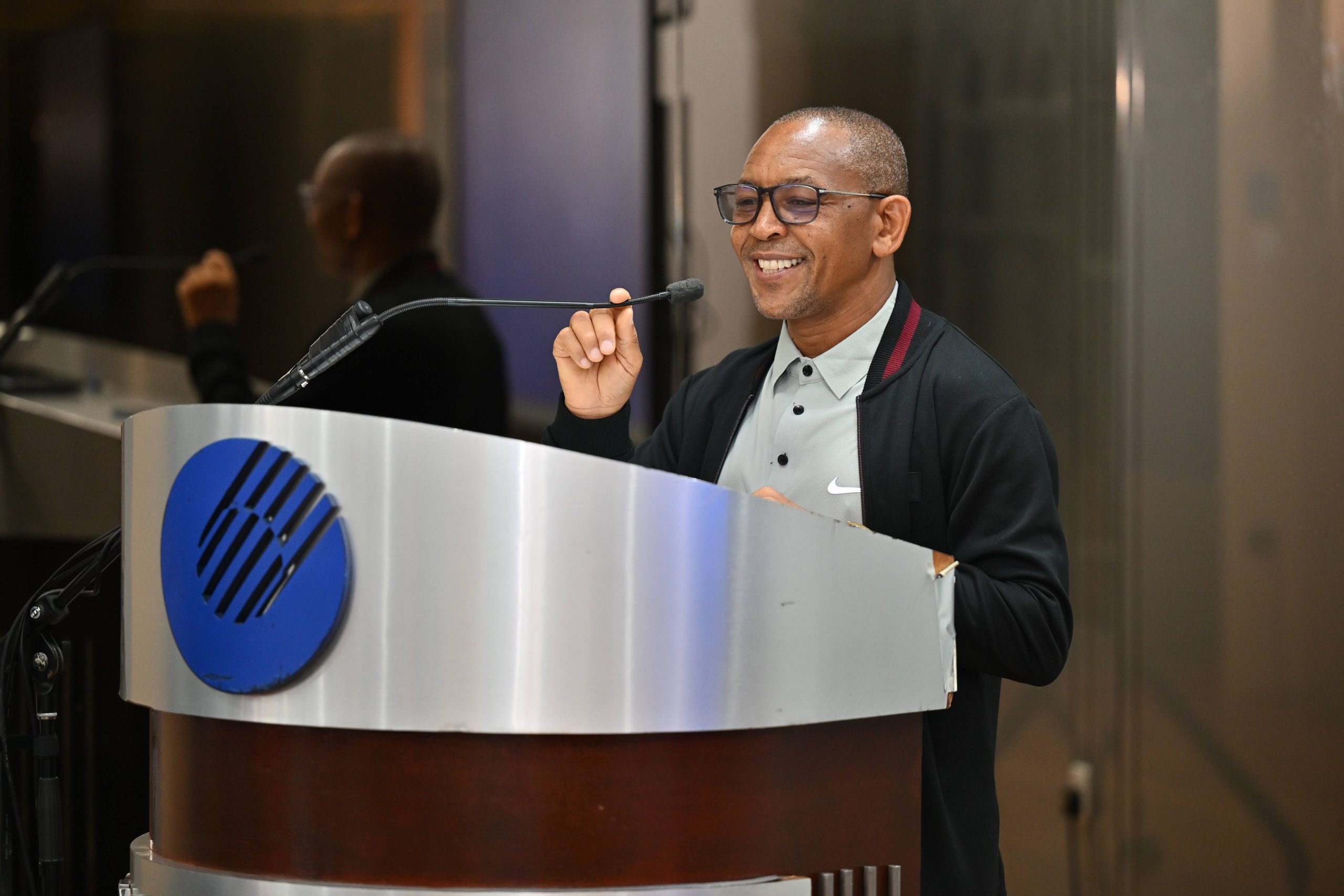
Dr Pradeep Kumar Dash, Programme Director at the Asian Institute of Technology, explained the rationale behind the continued collaboration:
“In arranging these trainings for MOF Tanzania, I always choose Malaysia and within Malaysia, I always choose OUM. I choose OUM because it is very comfortable, allows us to share openly, and delivers to our expectations. OUM is definitely the first choice of contact for us.”
Learning beyond the classroom
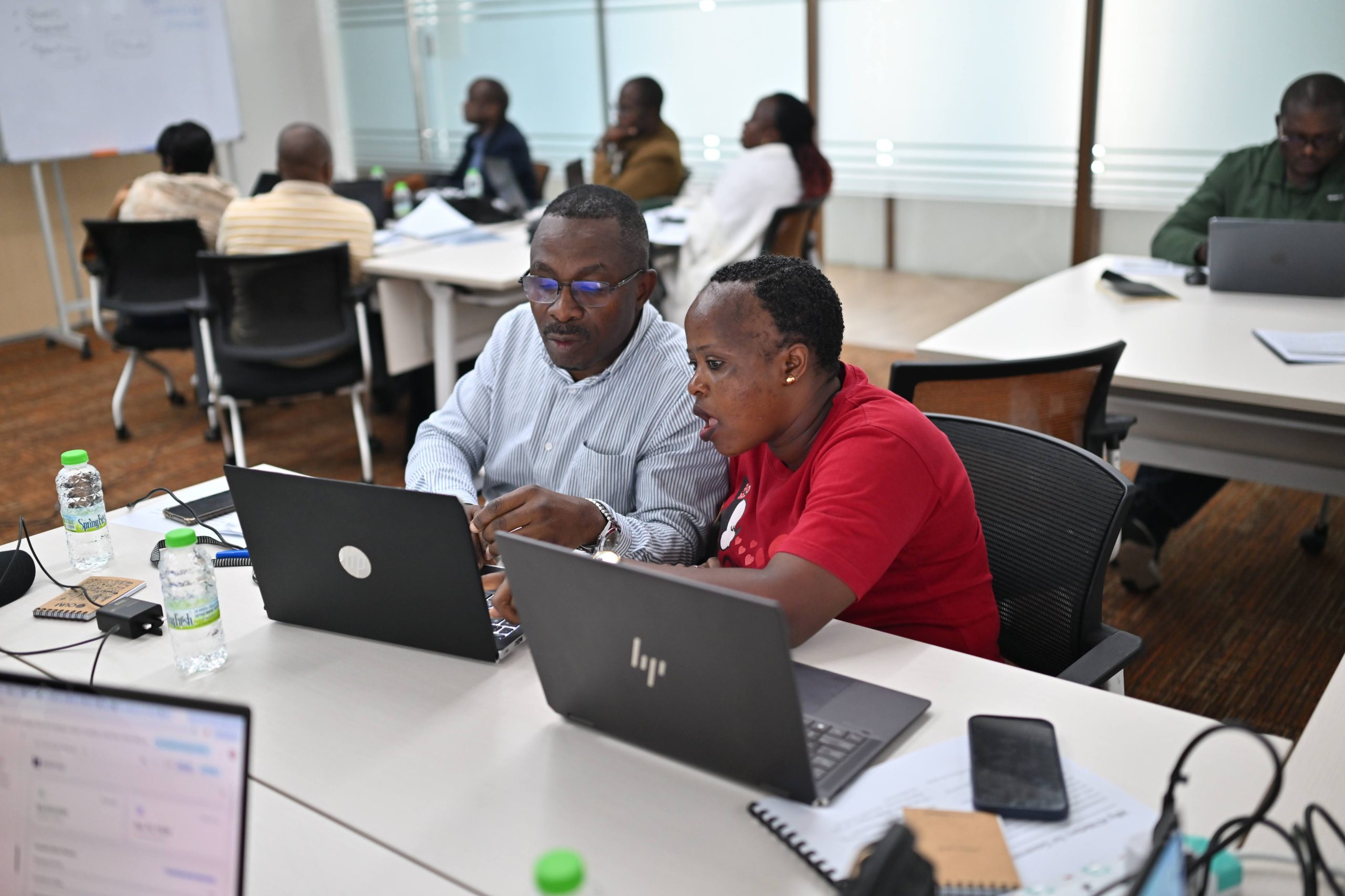
Over the course of the programme, participants were guided by four HRD Corp-certified trainers through hands-on sessions that combined theory with applied learning in AI-driven governance and fiscal decision-making.
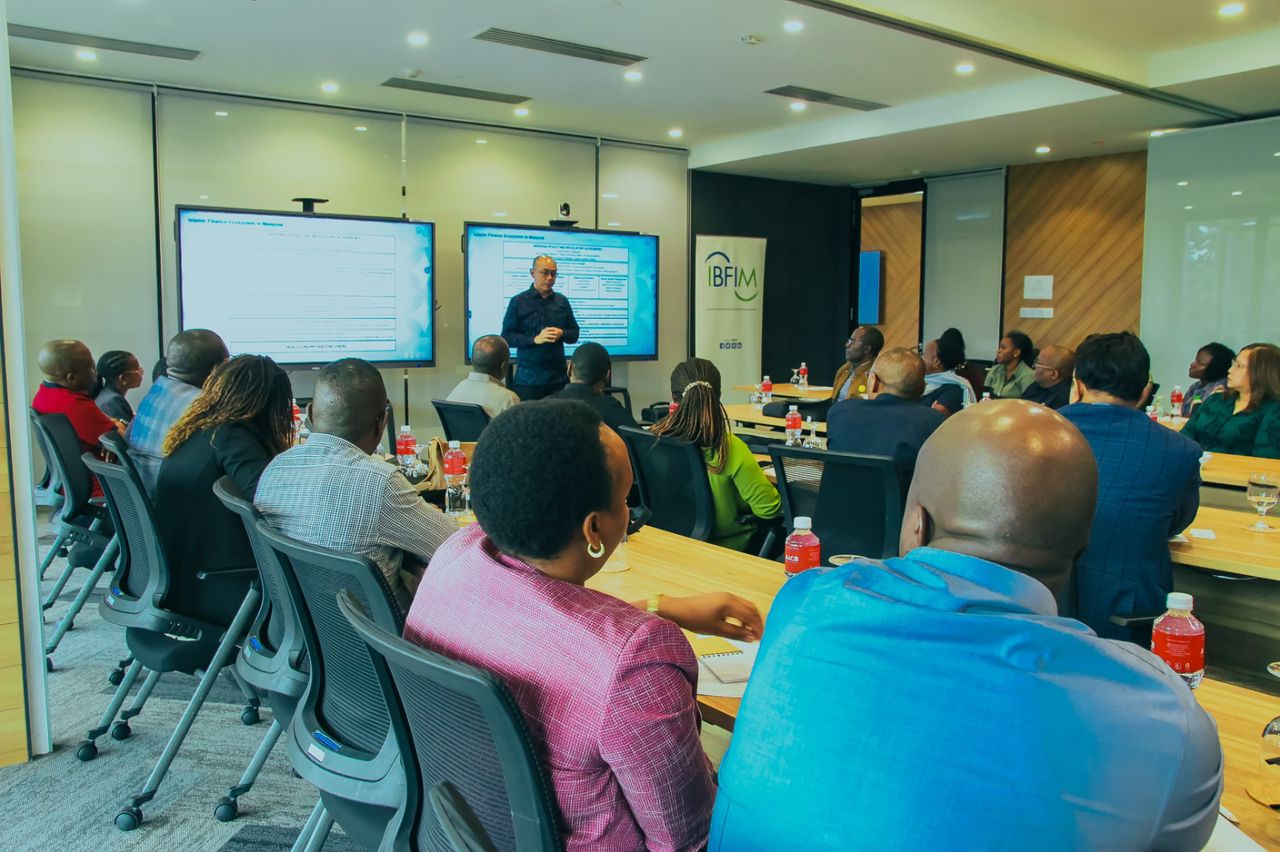
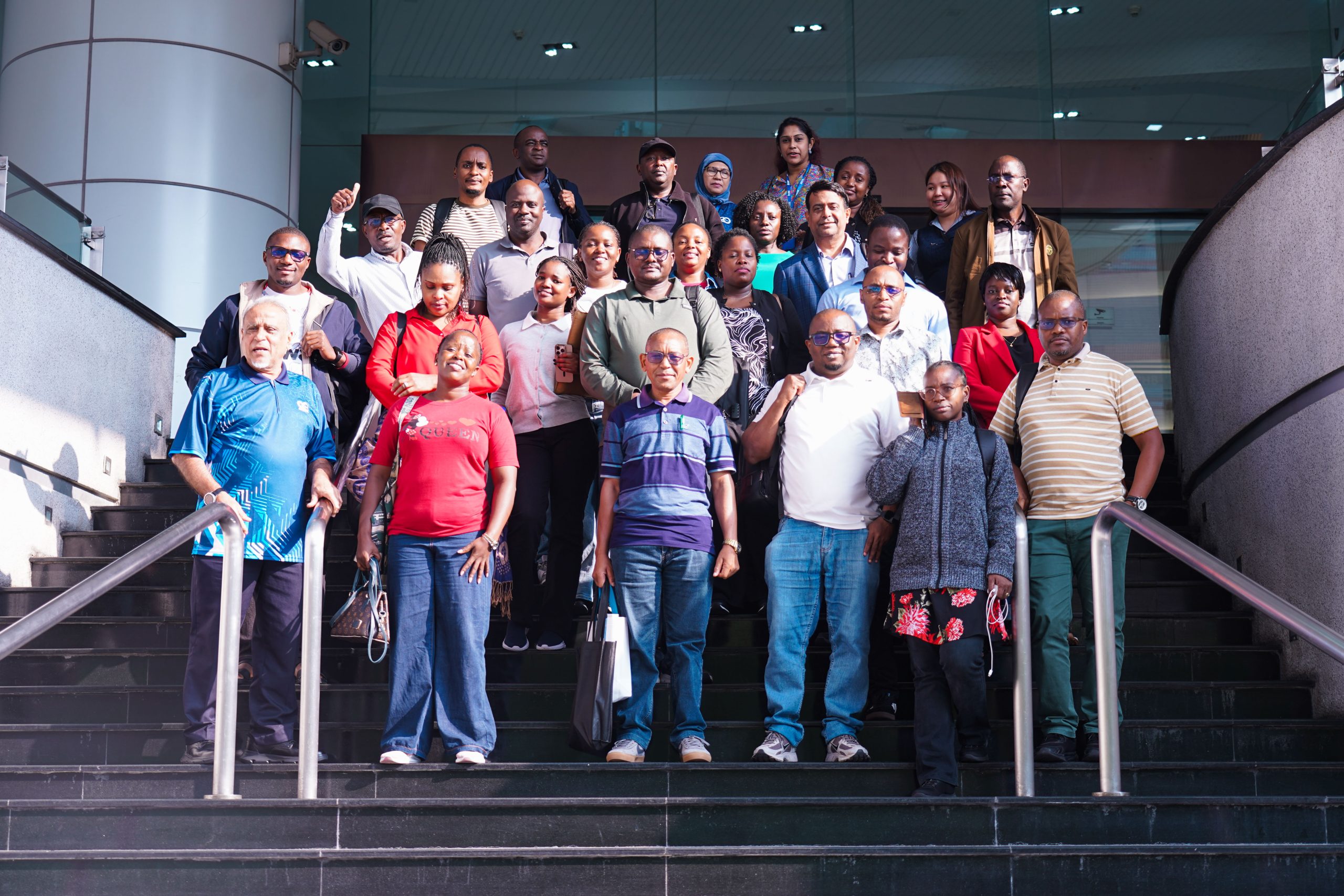
The delegation also engaged in field exposure visits designed to contextualise Malaysia’s public finance ecosystem. On 21 April, they visited the Islamic Banking and Finance Institute Malaysia (IBFIM), where they examined Malaysia’s four-decade development of Islamic finance as a structured national system.
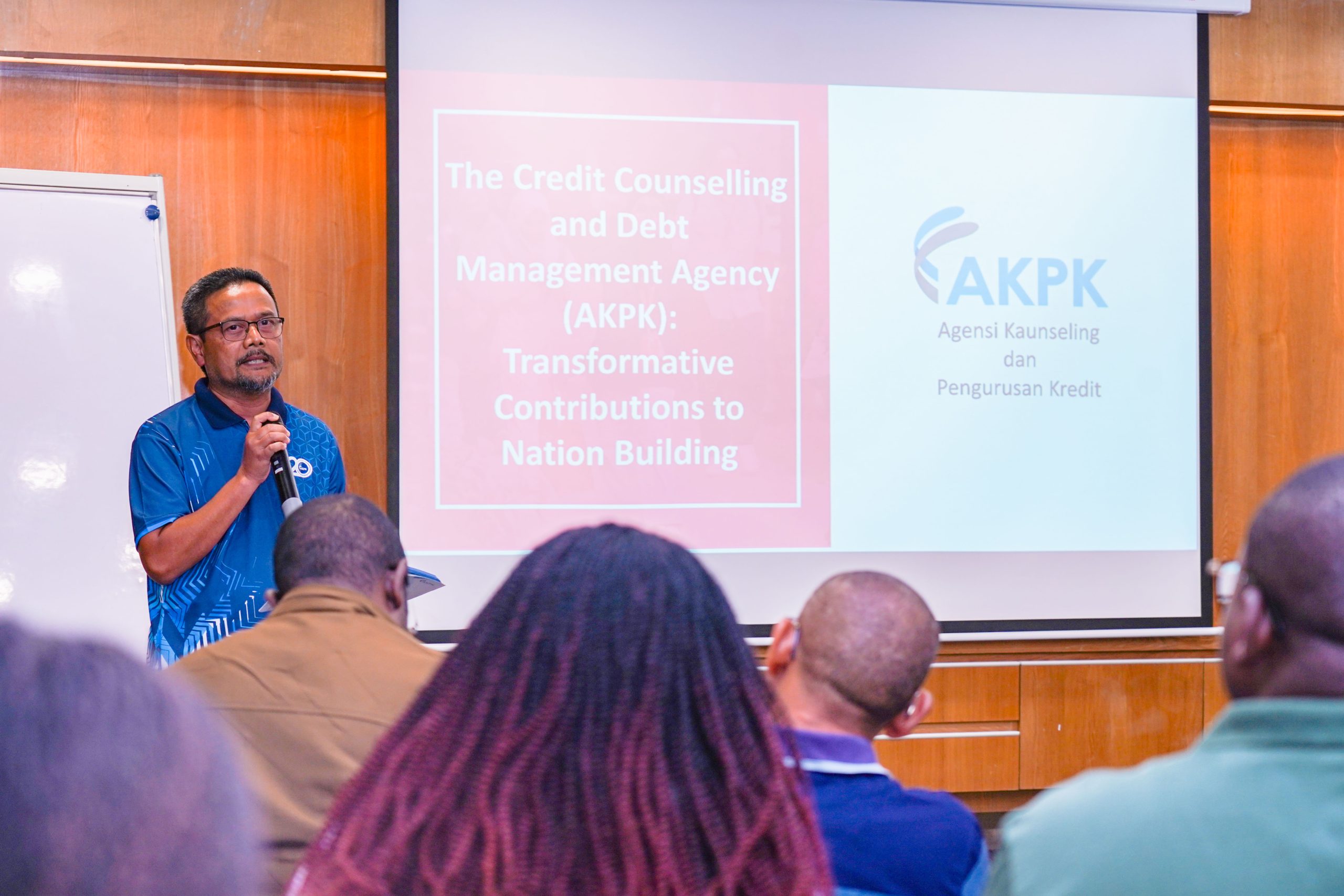
On 23 April, the group visited Agensi Kaunseling & Pengurusan Kredit (AKPK), gaining insights into debt management frameworks and financial wellbeing interventions supporting individuals and households.
Strengthening institutional links
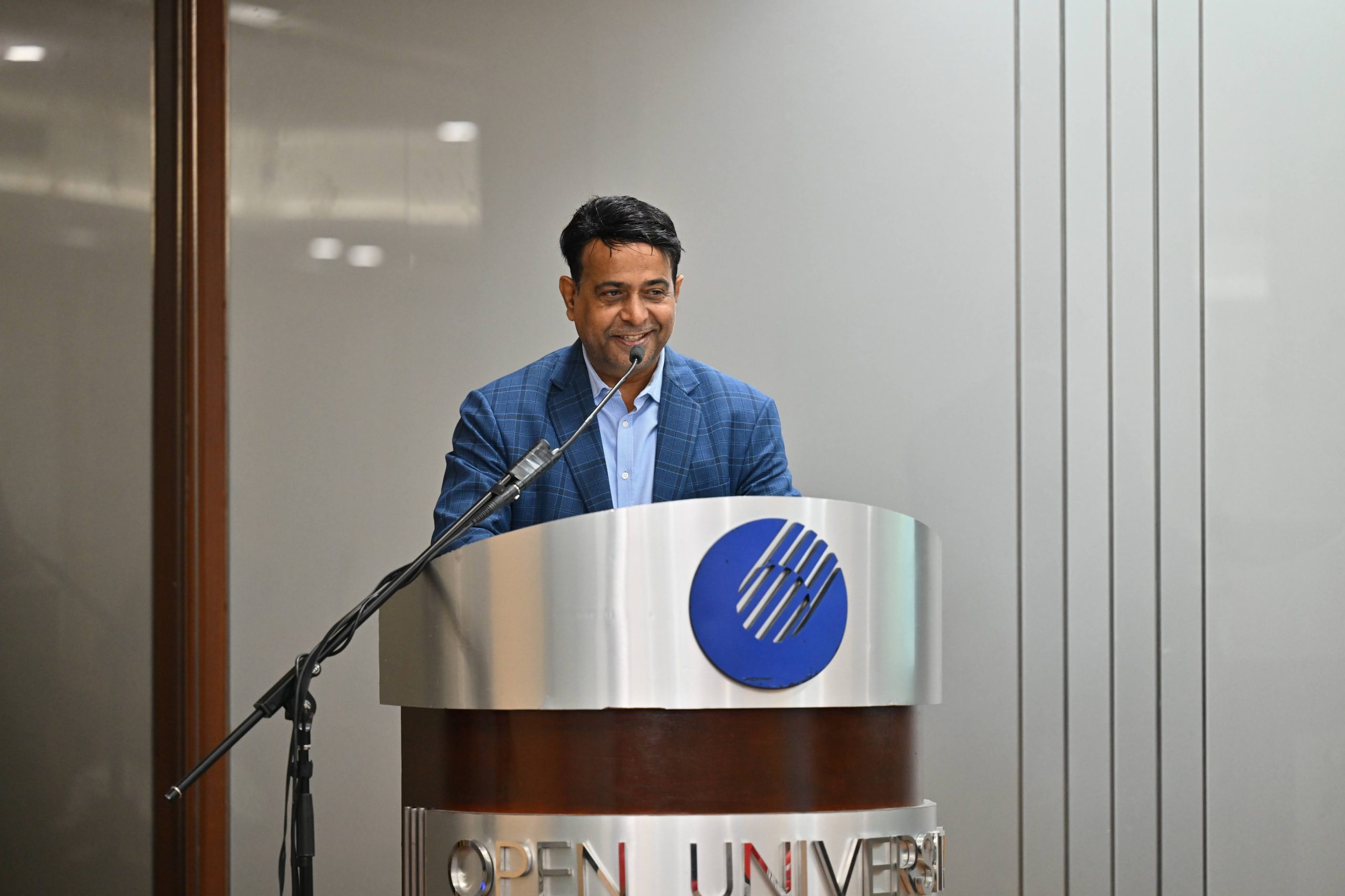
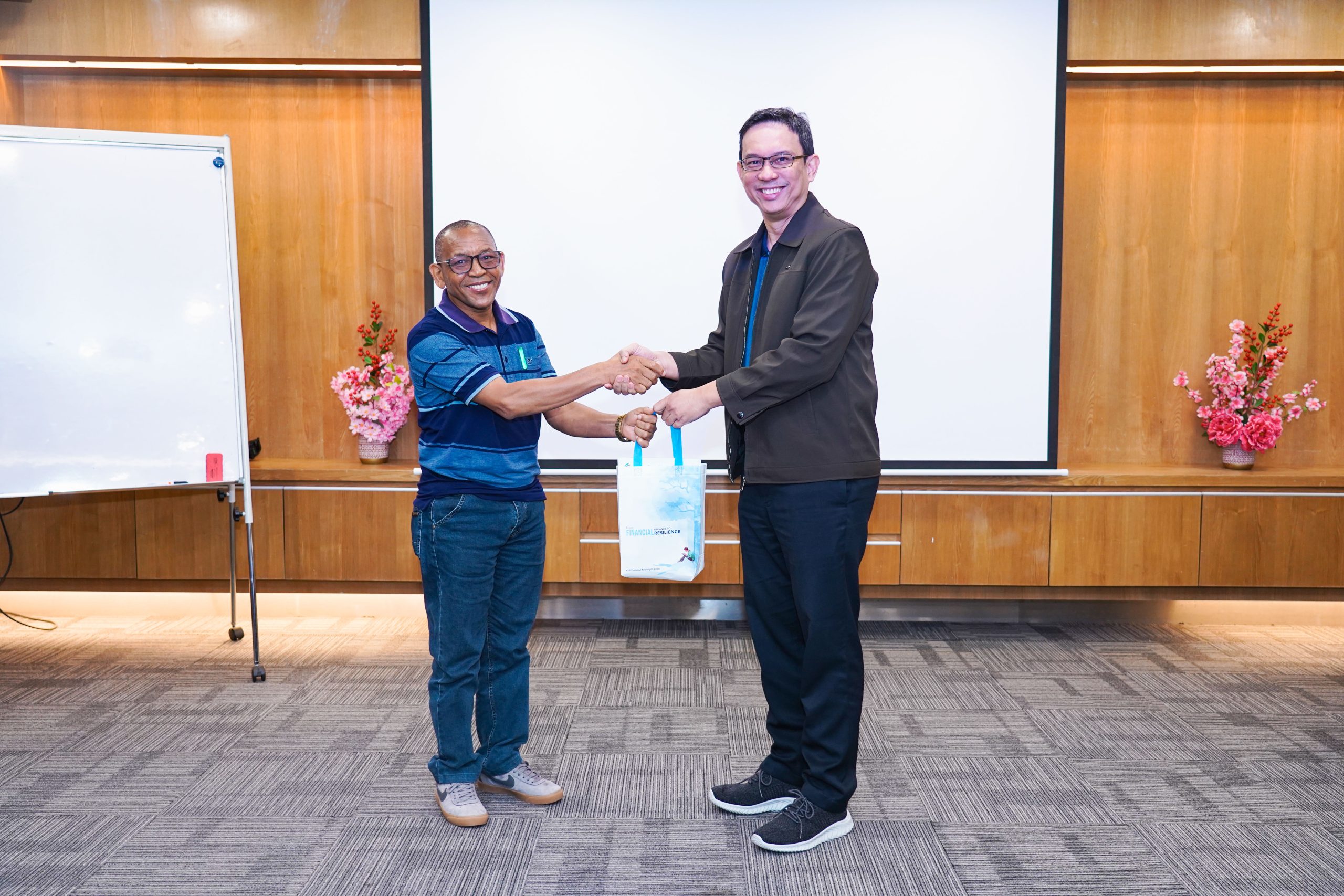
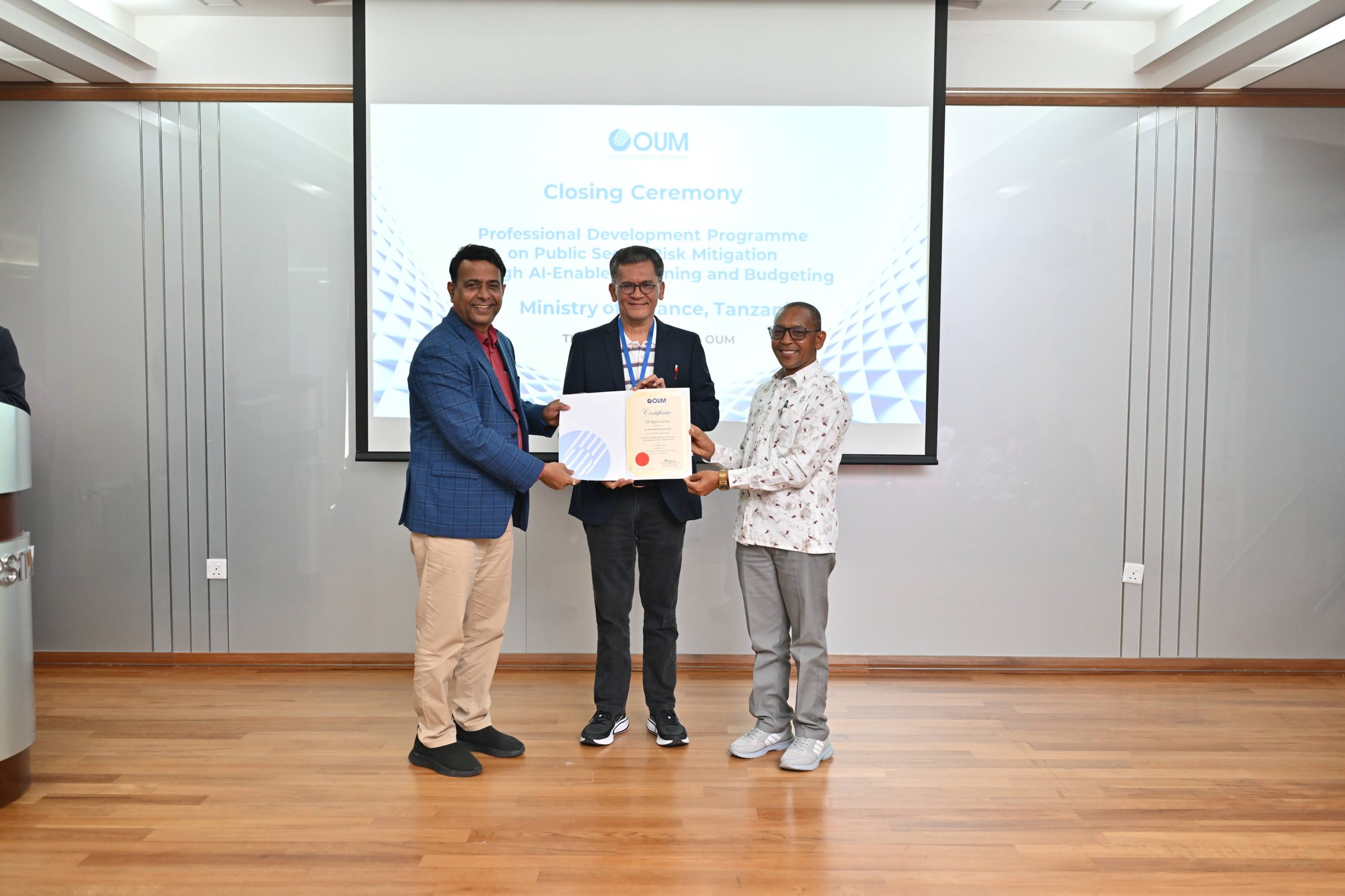
The programme concluded with a closing ceremony officiated by OUM’s Vice President/Deputy Vice-Chancellor (Business Development), Prof Dr Yon Rosli Daud, who underscored the importance of sustained cross-border collaboration and the responsible application of AI in public governance.
Tanzania’s Director of Planning, Moses Wilson Dulle, expressed appreciation for the engagement and hospitality extended throughout the programme, ending on a warm note: “We will see you in Tanzania. Terima kasih!”
Looking ahead
With a 10th batch of 30 officers scheduled to arrive next month, the partnership continues to expand as a core pillar of Tanzania’s broader digital transformation strategy in public financial management.
As this latest cohort concludes its learning journey in Malaysia, the collaboration signals not just knowledge transfer, but also an evolving institutional relationship built on continuity, trust, and shared ambition for data-driven governance.